AI Tools Comparison: Chatbots vs Assistants
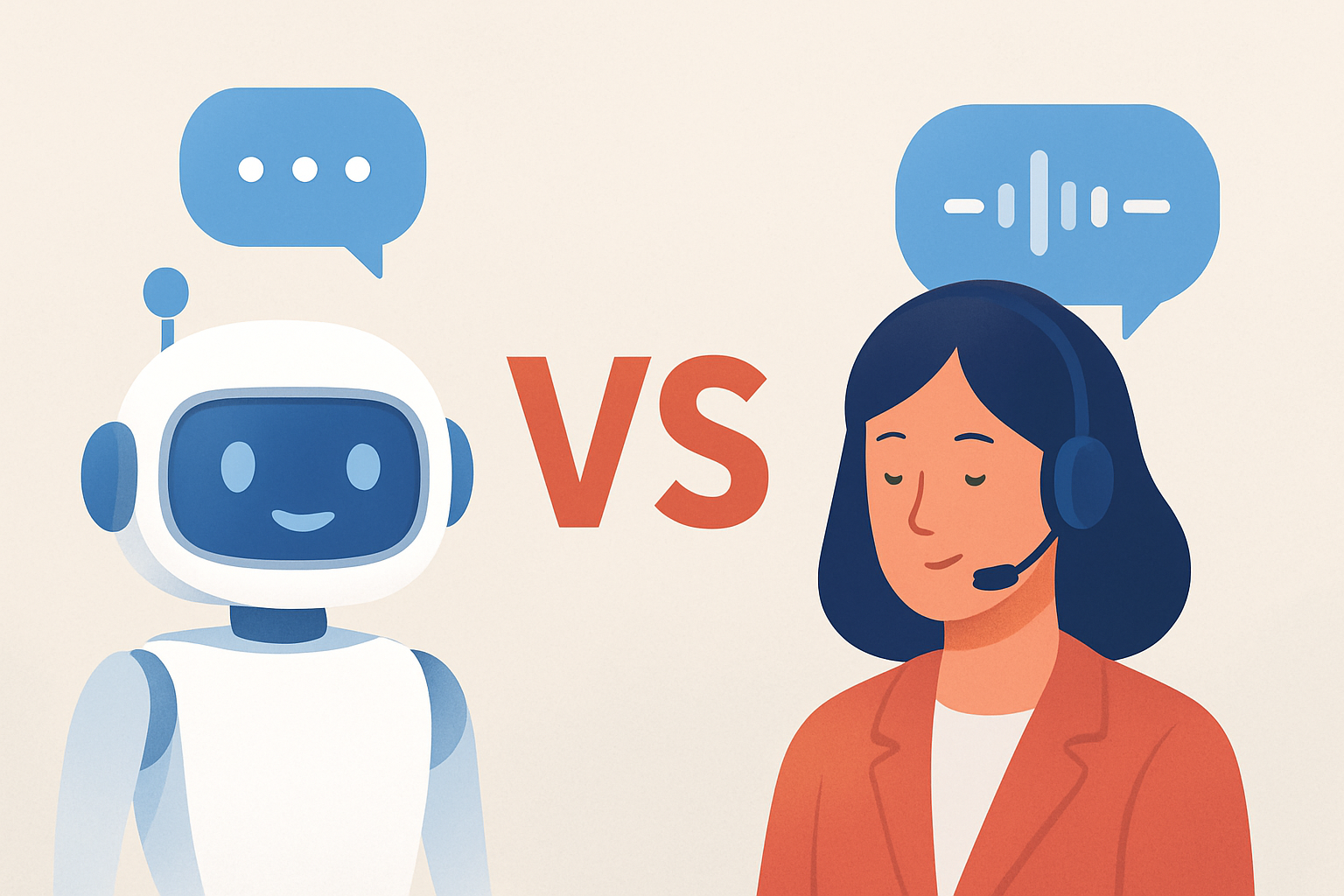
Chatbots are built for conversation within defined boundaries, while AI assistants manage tasks across tools, context, and workflows.
Quick Overview
- Chatbots excel at interactive Q&A and scripted support flows.
- AI assistants go further by planning steps and coordinating actions.
- The best choice depends on your use case, risk level, and integration needs.
Chatbots vs Assistants: What’s the Real Difference?
AI tools are often grouped together as “chat.” However, chatbots and assistants are different by design. In simple terms, a chatbot responds. An assistant takes action.
Chatbots typically focus on conversation quality and rapid answers. They may use knowledge bases, retrieval, and predefined intents. Meanwhile, assistants are designed to complete tasks that require multiple steps. They often use external tools, data sources, and workflow orchestration.
Therefore, the distinction matters for teams choosing software. It affects implementation time, cost, quality, and governance. It also changes how you evaluate success.
Defining a Chatbot: Conversation First
A chatbot is an AI system that holds a conversation with a user. Its primary goal is to understand intent and produce an appropriate response. Many chatbots stay inside a limited scope, such as support tickets, account questions, or policy explanations.
In practice, chatbots can be powered by different technologies. Some use rule-based logic. Others use retrieval-augmented generation (RAG) to pull from internal documents. Newer systems may also include small agents, but they still emphasize conversational output.
Because chatbots are conversation-focused, they often ship faster. They also require narrower integration. Yet, they may struggle when tasks extend beyond answering questions.
Defining an Assistant: Tasks and Tool Use
An AI assistant is built to help users accomplish goals. It interprets requests, plans steps, and executes actions. This can include drafting documents, summarizing meetings, updating records, or running analyses.
Unlike chatbots, assistants often connect to tool ecosystems. Those tools might be calendars, email platforms, CRMs, ticketing systems, databases, or automation services. Consequently, assistants can do “work,” not just “talk.”
Additionally, assistants maintain richer context. They can remember preferences, use structured inputs, and follow multi-stage procedures. As a result, they can support complex workflows and higher-impact tasks.
Side-by-Side Comparison: Chatbots vs Assistants
Choosing between these two categories becomes easier when you compare capabilities. Below are common evaluation criteria used by product teams and operations leaders.
1) Primary Objective
- Chatbot: Answer questions and guide users through support or information flows.
- Assistant: Complete tasks across steps, tools, and systems.
2) Interaction Style
- Chatbot: Tight conversational loops with clear intents.
- Assistant: Multi-turn planning with outputs that may include files, updates, or actions.
3) Integration Requirements
- Chatbot: Often integrates with help centers, FAQs, ticketing, and basic workflows.
- Assistant: Typically requires deeper integrations with productivity and business systems.
4) Risk and Governance
- Chatbot: Risk is usually lower because responses are narrower in scope.
- Assistant: Risk can be higher due to tool actions and data access.
5) Measurement of Success
- Chatbot: Containment rate, resolution quality, and deflection from human support.
- Assistant: Time saved, task completion rate, workflow throughput, and user satisfaction.
6) Typical Use Cases
- Chatbot: Customer support, HR FAQs, product recommendations, onboarding Q&A.
- Assistant: Research summaries, report generation, workflow automation, drafting and execution.
For a deeper view of AI tool categories, you may also find value in best-ai-tools-for-workflow-automation.
When a Chatbot Is the Better Choice
Chatbots are ideal when your users need fast answers and consistent guidance. They work well for structured question types. They also help when you have well-defined knowledge sources.
Here are scenarios where chatbots often deliver strong ROI.
- Customer support triage: Classify issues and suggest next steps.
- Self-service knowledge: Explain pricing, policies, and product details.
- Employee help desks: Answer internal questions with curated documentation.
- Lead qualification: Capture requirements and route prospects.
- Guided onboarding: Step-by-step product setup and troubleshooting.
In these cases, the chatbot’s strength is conversational clarity. It reduces friction and scales communication across channels.
When an Assistant Outperforms a Chatbot
Assistants shine when users want outcomes, not just answers. They can handle tasks that require multiple steps. They can also operate across systems, which makes them suited for end-to-end workflows.
Consider choosing an assistant when you need any of the following.
- Document generation: Draft proposals, summaries, and plans from templates.
- Workflow execution: Create tickets, update CRM fields, or trigger automations.
- Cross-source research: Combine inputs from emails, files, and databases.
- Data analysis workflows: Transform datasets into reports and insights.
- Operational productivity: Coordinate tasks with calendars and reminders.
As a result, assistants often reduce time spent on repetitive work. They also improve consistency when tasks follow standardized procedures.
How It Works / Steps
- Define the goal and scope. Determine whether you need Q&A, task completion, or both.
- Select the knowledge and tools. For chatbots, connect to documentation. For assistants, connect to systems and workflows.
- Choose a retrieval strategy. Use RAG to ground responses in trusted sources.
- Design guardrails. Add policies, approval steps, and safe output constraints.
- Implement conversation and action loops. Chatbots require response generation loops. Assistants need planning and tool-use loops.
- Test with realistic prompts. Use scenario-based evaluation with edge cases.
- Measure outcomes and iterate. Track quality, time saved, and user satisfaction.
Examples: What You’d Actually Build
Real-world deployments often blend both approaches. Nevertheless, it helps to see concrete examples of each category.
Chatbot Example: Customer Support Triage
A retail company deploys a chatbot on its website. The bot asks clarifying questions about orders, returns, and delivery delays. Then it suggests solutions and creates a ticket when needed.
Because the bot stays within a known policy set, answers remain consistent. Moreover, human agents only handle cases that require exceptions.
Assistant Example: Sales Follow-Up Workflow
A sales team uses an assistant to respond to inbound leads. The assistant reads conversation notes, summarizes needs, and drafts an outreach email. After approval, it updates the CRM and schedules a follow-up.
This is not only conversation. It includes coordination with tools and a repeatable workflow. If you’re exploring sales automation, you may also like ai-tools-for-sales-automation.
Hybrid Example: Support + Resolution Execution
A hybrid system can start as a chatbot and then escalate into assistant behavior. First, the chatbot handles diagnosis and intent recognition. Next, the assistant performs actions like generating a refund request.
That combination reduces friction while keeping control over sensitive steps. It also offers a smoother user experience.
SEO and Content Implications for Businesses
Teams often ask whether these tools affect search visibility. The answer is yes, but indirectly. Chatbots and assistants influence how users find information and how fast they get it.
For example, a chatbot that answers common questions can improve internal discoverability. Meanwhile, an assistant that drafts marketing content may help produce fresh assets. However, responsible grounding and editorial review remain essential.
If your team is updating campaigns, you might benefit from how-ai-is-transforming-advertising. That kind of analysis often clarifies how AI output fits into broader marketing systems.
FAQs
Are chatbots and assistants the same thing?
No. A chatbot mainly generates conversational responses. An assistant also plans and executes tasks using tools and workflows.
Which one is cheaper to implement?
Chatbots are often cheaper to start. They usually require fewer integrations. Assistants can have higher setup costs due to tool access and governance.
Can an AI assistant make mistakes?
Yes. Any AI system can generate incorrect outputs. That risk is higher when it can take actions in external systems. Guardrails, approvals, and testing are critical.
Do assistants require more data than chatbots?
Usually, assistants need both knowledge and operational context. They often require structured tool connections. Still, data needs depend on the task complexity.
What industries benefit most from assistants?
Operations-heavy industries benefit greatly. Examples include customer success, finance workflows, logistics coordination, and compliance reporting. In general, any process with clear steps is a strong candidate.
Key Takeaways
- Choose a chatbot for high-quality Q&A and guided support.
- Choose an assistant for multi-step tasks across tools and systems.
- Hybrid designs often deliver the best user experience with safe escalation.
- Guardrails, testing, and measurable outcomes determine long-term success.
Conclusion
Chatbots vs assistants is less about branding and more about capability. Chatbots focus on conversation and dependable answers. Assistants focus on completing goals, often by coordinating tools and steps.
Ultimately, the right AI tool comparison comes down to intent. If your users need information, start with a chatbot. If they need outcomes, choose an assistant or a hybrid system.
As AI tool ecosystems mature, the best teams will blend both categories. They will keep experiences fast, grounded, and safe. And they will measure real performance, not just model output.