AI Tools for Sales Automation: A Practical Guide for Smarter, Faster Revenue
AI tools for sales automation help teams find leads, personalize outreach, qualify opportunities, and improve forecasting—faster and with less manual work.
Quick Overview
- AI can automate lead research, scoring, and prioritization.
- Personalized outreach becomes easier with message drafting and content suggestions.
- AI-driven analytics improve pipeline visibility and sales forecasting.
- Successful adoption depends on clean data, clear workflows, and human oversight.
Why Sales Automation Is Moving Toward AI
Sales automation has existed for years. However, today’s tools are changing how teams generate pipeline. Instead of only triggering follow-ups, modern AI systems analyze signals and recommend actions.
Consequently, the best AI tools for sales automation reduce repetitive tasks and improve decision quality. They also help sales leaders spot bottlenecks earlier. That means fewer stalled deals and more predictable revenue.
At the same time, the landscape is shifting quickly. Buyers expect relevant messaging and rapid responses. Therefore, sales teams need systems that can personalize at scale.
What “AI Tools for Sales Automation” Actually Do
AI-powered sales automation typically combines machine learning, natural language processing, and data integrations. These systems can process CRM history, website behavior, email engagement, and enrichment data. Then they help teams act on those insights.
Most capabilities fall into a few practical categories. You can use them together or start with one workflow. Over time, you can expand automation as your data quality improves.
Core use cases for AI in sales
- Lead scoring and qualification: Rank leads based on likely fit and buying intent.
- Account and contact enrichment: Fill in missing firmographic and role details automatically.
- Sales outreach assistance: Draft emails, suggest subject lines, and tailor messaging.
- Conversation intelligence: Summarize calls and extract next steps.
- Deal forecasting: Predict outcomes and surface risk signals in the pipeline.
- Workflow automation: Trigger tasks, reminders, and routing rules across tools.
Key AI Tool Categories to Consider
Choosing tools is easier when you map capabilities to your sales process. Some teams need stronger inbound handling, while others need better outbound efficiency. In either case, you should prioritize measurable outcomes.
1) Lead generation and enrichment tools
AI-driven enrichment tools reduce the manual effort of researching prospects. They can suggest likely decision-makers and update firmographic attributes. As a result, your CRM becomes more complete without constant data entry.
Additionally, enrichment can incorporate intent signals from third-party sources. For example, visiting product pages or engaging with competitor content can matter. With the right signals, lead scoring becomes more accurate.
2) Lead scoring and intent analytics
Lead scoring models rank opportunities using patterns from historical deals. Many systems blend demographic fit with engagement behavior. Consequently, sales reps spend more time on high-probability leads.
Moreover, intent analytics can identify accounts that are researching solutions. That enables timely outreach and better alignment with the buyer’s timeline.
3) Email and outreach automation
Outbound outreach remains complex. You must balance speed with relevance. AI can help by generating drafts, improving clarity, and suggesting variations by persona.
However, strong tools also support governance. They use templates, brand guidelines, and tone controls. Therefore, you can scale personalization without losing quality.
4) Call transcription, summaries, and coaching
Conversation intelligence tools automatically transcribe calls and summarize key moments. They can detect themes, objections, and deal risks. Then they recommend follow-up actions for reps.
These tools also help managers coach with evidence. Instead of relying on memory, leaders can review patterns across calls. Over time, that improves both training and performance.
5) CRM analytics and sales forecasting
Forecasting often fails when pipeline data becomes inconsistent. AI helps by analyzing historical outcomes and identifying missing fields. It can also predict deal stages more reliably.
When teams trust the forecast, planning improves. Staffing decisions become easier. Additionally, executives gain clearer visibility into pipeline health.
How It Works / Steps
- Connect your data sources: Integrate your CRM, email, calendar, and call tools.
- Clean and standardize fields: Ensure account names, roles, and stages are consistent.
- Define lead and deal criteria: Align scoring with your target customer profile.
- Train or configure AI models: Use historical wins to improve ranking and predictions.
- Automate outreach workflows: Trigger messages based on engagement and timing.
- Add human review gates: Let reps approve drafts and validate AI recommendations.
- Measure outcomes continuously: Track conversion, reply rates, and forecast accuracy.
Benefits That Sales Teams Can Measure
AI sales automation is not just about novelty. It should improve outcomes you can track weekly. Therefore, you should define success metrics early.
Common measurable improvements
- Higher lead-to-meeting conversion: Better qualification reduces wasted outreach.
- Faster response times: Automated routing and follow-ups reduce delays.
- More consistent messaging: Guidance and templates improve coherence.
- Improved pipeline hygiene: Automated logging reduces missing data.
- Better forecasting accuracy: Models flag risk earlier in the sales cycle.
In addition, AI can reduce onboarding time for new reps. They get summaries, suggested next steps, and context. That creates a faster path to productivity.
Examples of AI Sales Automation in Action
To make this concrete, consider a few realistic scenarios. These examples reflect common workflows across B2B teams.
Example 1: Qualification for inbound leads
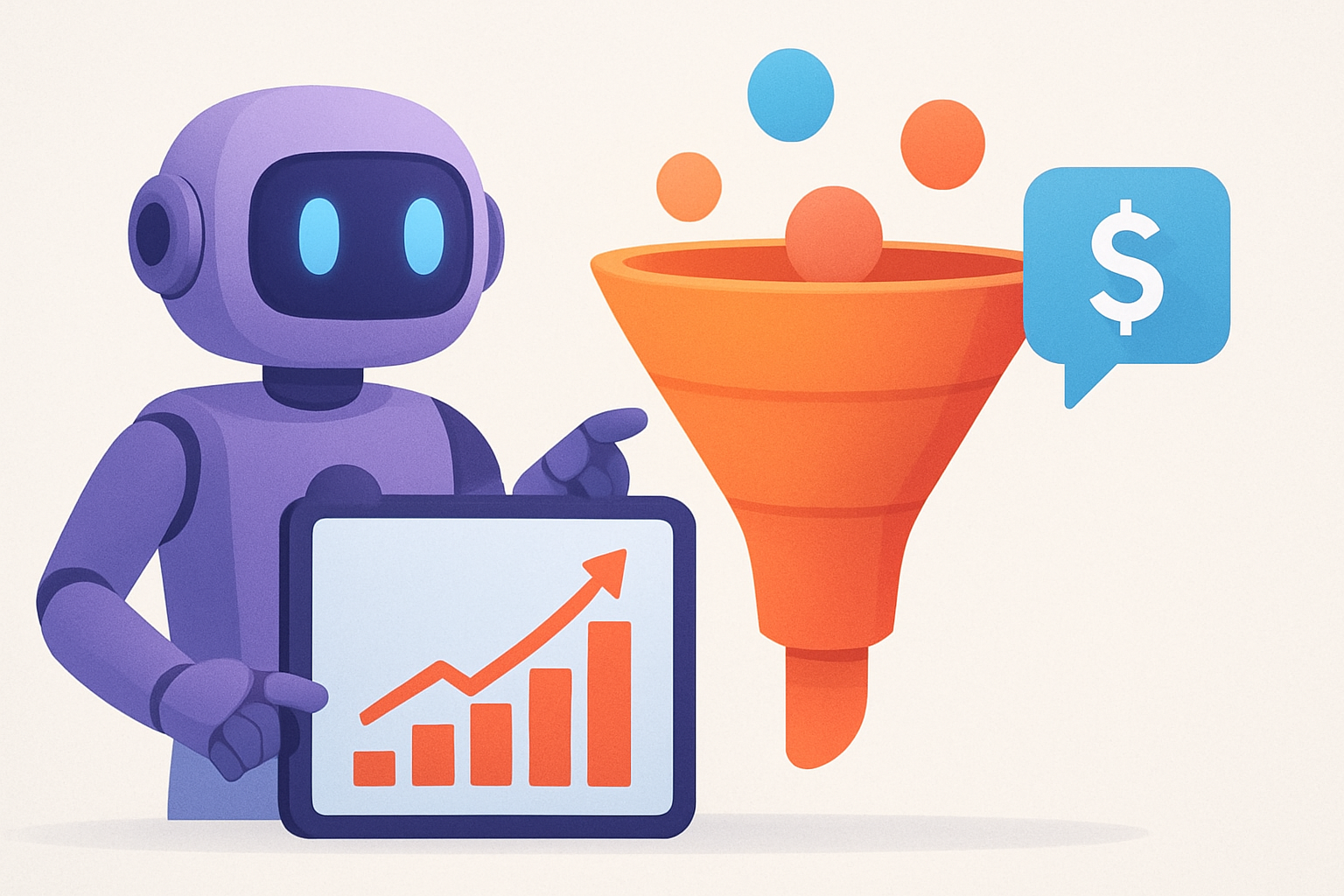
When a lead fills out a form, AI can enrich their details instantly. Then it scores the lead based on role, company size, and engagement. After that, the system routes the lead to the right rep.
Next, the tool drafts an initial email referencing their product interest. Finally, it schedules follow-ups if there is no reply.
Example 2: Outbound campaigns with personalized scaling
AI can analyze past successful emails by segment. Then it generates subject lines and variations for specific personas. Importantly, it keeps the message structure aligned with your brand.
Consequently, reps can launch campaigns faster. At the same time, they maintain control through approval workflows.
Example 3: Deal risk detection using CRM behavior
AI forecasting can identify deals that are likely to stall. For instance, it might detect prolonged silence after a proposal. It may also notice stage changes that correlate with lost deals.
Therefore, managers can intervene sooner. Reps receive recommended actions. That can include follow-up offers, new meeting requests, or additional materials.
Example 4: Call summaries that power next steps
After a sales call, the system produces a concise summary. It highlights customer goals, objections, and decisions. Then it creates tasks for follow-up emails and internal approvals.
This prevents important details from being lost. It also reduces administrative overhead for reps.
For broader context on how AI is reshaping business workflows, see how AI is disrupting traditional industries. That guide provides useful parallels and adoption patterns.
Choosing the Right AI Sales Automation Tools
Not every tool fits every sales org. The “best” option depends on your stack, your team size, and your sales motion. Therefore, you should evaluate tools by requirements, not hype.
Evaluation checklist
- Integration quality: Does it connect with your CRM and communication tools?
- Data requirements: What fields and history does it need?
- Automation control: Can you set approval steps and guardrails?
- Quality of personalization: Does it tailor messaging with real context?
- Reporting and analytics: Can you track outcomes and ROI?
- Security and compliance: How does it handle sensitive customer data?
- User experience: Can reps adopt it quickly without training overload?
Security deserves attention, especially when AI touches customer communications. If you want deeper background, consider top AI trends in cybersecurity. AI tools can introduce new risks if governance is weak.
Common Pitfalls and How to Avoid Them
AI adoption can fail for predictable reasons. Fortunately, many issues are avoidable with good planning.
Pitfall 1: Automating bad data
If your CRM contains duplicates or incorrect stages, AI will learn the wrong patterns. Then recommendations will degrade. As a result, teams lose trust in the system.
Fix it by standardizing fields and running periodic data audits. Also, enforce required fields for new records.
Pitfall 2: “Set and forget” workflows
Sales processes change as markets shift. Also, messaging needs updating. If you never revisit automations, performance will decline.
Instead, review KPIs monthly. Then adjust scoring thresholds, email templates, and routing rules.
Pitfall 3: Lack of human oversight
AI can draft messages, but it cannot fully replace sales judgment. Therefore, you should require rep approval for outreach drafts. Additionally, you should monitor for tone and factual accuracy.
Good governance turns AI into an assistant, not an uncontrolled actor.
Pitfall 4: Ignoring enablement
Reps need training on how to use AI outputs. They also need clarity on when to override recommendations. Without enablement, adoption stalls.
To improve enablement strategies, you may also explore AI tools comparison for marketing teams. Marketing and sales often share workflows and data signals.
FAQs
Do AI tools for sales automation replace sales reps?
No. Most tools support reps by drafting messages, scoring leads, and summarizing calls. Human judgment still matters for relationship-building and negotiation.
How quickly can teams see results?
Many teams see early gains within weeks, especially in lead routing and follow-up consistency. Deeper improvements in forecasting and qualification often take longer.
What data do AI tools need to work well?
Typically, they need CRM history, lead attributes, deal stages, and communication logs. Enrichment data also improves scoring accuracy.
Are these tools safe to use with customer information?
They can be safe when vendors offer strong security practices and contracts. Still, you should review permissions, retention policies, and compliance requirements.
How do you measure ROI for sales automation?
Track conversion rates, reply rates, sales cycle length, and forecast accuracy. Then compare results against baseline performance before rollout.
Key Takeaways
- AI sales automation improves lead qualification, outreach personalization, and pipeline visibility.
- Start with one workflow and expand after validating data quality.
- Use guardrails and human approval to maintain brand and accuracy.
- Measure performance with clear KPIs for real ROI.
Conclusion
AI tools for sales automation are reshaping how revenue teams operate. They help organizations move faster while targeting better-fit prospects. At the same time, the tools create clearer insights into pipeline health.
However, success requires more than installing software. You need clean data, smart integrations, and practical governance. When you get those fundamentals right, AI becomes a reliable partner in the sales process.
As the market evolves, teams that adopt thoughtfully will keep an advantage. They will respond faster, personalize smarter, and forecast with greater confidence.