AI Trends in Smart Home Technology: How Homes Are Getting Smarter, Safer, and More Efficient
Smart homes have come a long way. Today’s connected devices do more than follow schedules. They learn habits, predict needs, and adapt to changing conditions. As artificial intelligence accelerates, the home becomes an intelligent environment rather than a collection of gadgets.
In 2026, AI trends in smart home technology are moving fast. The focus is shifting toward better automation, stronger security, and improved energy management. At the same time, new risks are emerging around privacy, data ownership, and model reliability. For homeowners and developers alike, understanding these trends is essential.
From Rule-Based Automations to Context-Aware AI
For years, smart home systems relied on “if this, then that” rules. A motion sensor could trigger a light. A temperature threshold could start a thermostat. However, rule-based logic struggles with real life. People change routines, rooms get used unpredictably, and seasons alter comfort patterns.
Now, AI-driven systems aim to interpret context. They combine sensor data with signals like occupancy patterns and time of day. As a result, the home can decide what “makes sense” without rigid programming. This is one of the most important AI trends in smart home technology because it reduces setup friction.
What “context” means in a smart home
Context-aware automation goes beyond simple device triggers. It uses multiple inputs to infer user intent and environmental state. Typically, systems evaluate occupancy, activity likelihood, and past behavior. Then they choose actions that align with comfort and energy goals.
- Occupancy estimation using motion, door sensors, and audio cues
- Room-level decisions based on whether people are actually present
- Adaptive schedules that update after disruptions like travel
- Personalized preferences that evolve over time
Moreover, these systems can handle uncertainty better than fixed rules. Instead of assuming a person is home, they weigh probabilities. That leads to fewer unnecessary activations. It also improves user trust when the system behaves sensibly.
AI-Powered Voice Assistants Become More Reliable
Voice control has long been a selling point for smart homes. Yet voice assistants often fail when accents vary, background noise rises, or commands are ambiguous. AI progress is improving both understanding and intent resolution. Consequently, homeowners experience fewer misunderstandings and smoother interactions.
Modern systems increasingly use multimodal signals. For example, they may consider audio plus sensor context. If someone asks for “lights,” the assistant can choose the correct room. It can also adjust brightness based on ambient light levels.
Additionally, AI tools are improving on-device processing. When certain tasks run locally, latency decreases. Privacy can also improve because fewer raw signals leave the home. However, the balance between local and cloud processing remains a major design question.
The shift toward conversational home management
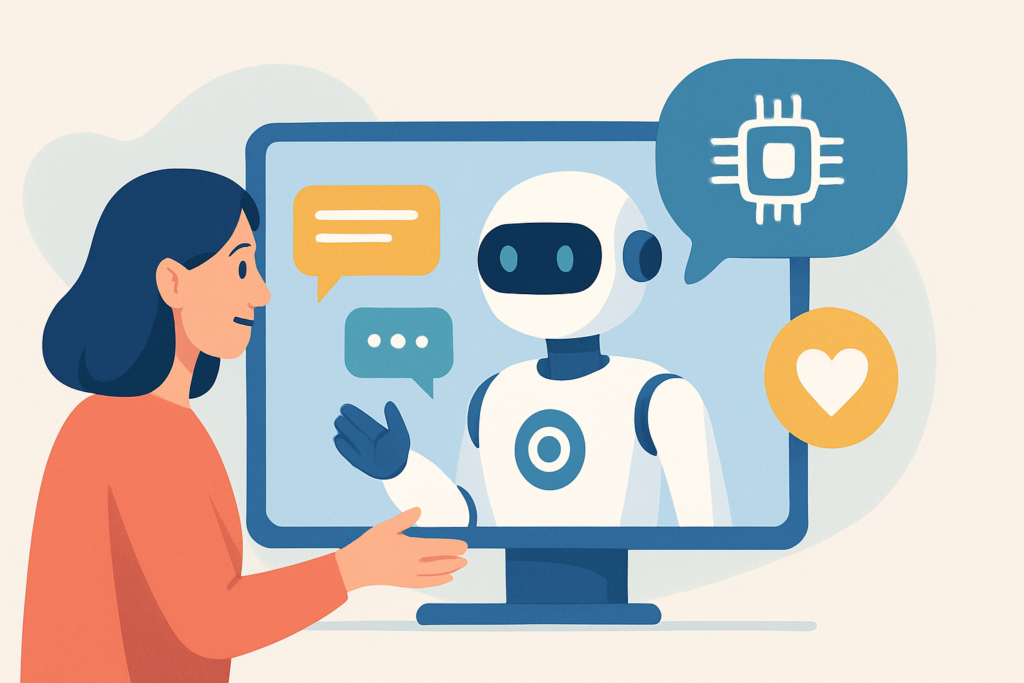
Instead of isolated voice commands, assistants are moving toward dialogue. That enables richer instructions and better conflict resolution. A user might say, “Keep it cool for sleeping, but warm the living room.” The system can interpret both objectives. Then it can coordinate thermostats and vents accordingly.
To understand how AI systems can make sense of data and patterns, readers may find value in how to use AI for data analysis. Smart home intelligence heavily depends on interpreting streams of sensor data accurately.
Predictive Maintenance for Appliances and Systems
Smart homes already monitor devices. The next step is proactive. AI models can detect anomalies in device behavior and predict failures. This trend is particularly relevant for HVAC systems, water heaters, and even robotic vacuums.
Instead of waiting for a breakdown, the system can recommend maintenance. It might suggest a filter change based on airflow patterns. It could warn about unusual pump activity in a water system. As a result, repairs can become planned rather than urgent.
Predictive maintenance also supports better energy efficiency. If equipment operates under stress, energy consumption typically rises. AI can spot these signals early. Then homeowners can reduce waste and prevent damage.
How predictive models work in practice
Most consumer solutions rely on anomaly detection and time-series forecasting. Sensors capture data like temperature, runtime, vibration, and power draw. The AI compares current patterns with expected behavior. When deviations persist, it raises a flag.
- Time-series forecasting for HVAC and power consumption trends
- Anomaly detection for unusual noise or vibration patterns
- Fault classification to distinguish likely causes
- Maintenance recommendations with confidence scores
Importantly, homeowners benefit when explanations are clear. If a system alerts users, it should communicate what it sees. It should also describe why the advice matters. Transparency is becoming a key differentiator in smart home AI.
AI and Energy Optimization: Homes as Dynamic Energy Assets
Energy efficiency is one of the most durable motivations for smart home adoption. AI upgrades this area by enabling more granular decision-making. Rather than using static schedules, systems can respond to real-time conditions. These include grid pricing, weather forecasts, and occupancy changes.
In many regions, electricity prices fluctuate across the day. That creates opportunities for “load shifting.” AI can pre-cool or pre-heat during cheaper hours. Then it maintains comfort during expensive periods. Even small savings can add up over time.
Furthermore, AI can coordinate multiple devices. It might align thermostat control with smart blinds and ceiling fans. That coordination reduces the workload on HVAC systems. It also avoids competing automation routines that frustrate users.
Emerging energy features
Expect to see AI systems support more advanced energy strategies. For example, homes may integrate with solar generation and battery storage. They might also participate in demand response programs when available. Consequently, the home becomes a flexible energy asset, not a passive consumer.
- Dynamic temperature control based on energy pricing
- Weather-aware automation for HVAC and humidity
- Shading and lighting coordination for passive cooling
- Battery-aware charging schedules
If you want a broader view of how AI reshapes power systems, check out AI in energy sector: future trends. Smart homes are one entry point, not the only one.
Privacy, Security, and Data Ownership Become Central
With AI comes more data. Smart homes generate sensitive information about daily life. That includes occupancy patterns, routines, voice recordings, and device usage. Therefore, privacy and security are no longer “nice to have” features. They are fundamental requirements.
AI can also introduce new vulnerabilities. An attacker might manipulate sensors to trigger actions. Or they could attempt to infer behavior from network traffic. Even model updates can create risks if supply-chain security is weak.
As a result, leading vendors increasingly emphasize security-by-design. They also improve device authentication and encryption. Yet homeowners should remain cautious and proactive.
Practical steps homeowners can take
While regulations evolve, users can still reduce risk today. These steps are especially helpful when systems include multiple cameras or microphones.
- Review permissions for voice assistants and mobile apps
- Use strong passwords and enable multi-factor authentication
- Segment smart devices onto a separate home network
- Disable features that upload unnecessary raw data
- Keep firmware updated for security patches
In addition, you should look for clear privacy policies. In particular, understand whether voice data is retained. Check whether recordings are used to improve models. Transparency matters when AI systems interpret home life.
On-Device AI vs. Cloud AI: The Processing Location Debate
Another major trend concerns where AI runs. On-device AI can reduce latency and improve privacy. Cloud AI can access heavier compute and more training data. Most smart home ecosystems use hybrid approaches now.
However, the “best” architecture depends on the use case. Voice recognition may benefit from local inference. Complex analytics might be more accurate in the cloud. Meanwhile, long-term personalization can be a privacy risk if raw data travels externally.
Therefore, vendors must design carefully. They need to ensure security for data transfers. They also need to provide meaningful user controls for data retention. Over time, these decisions will influence consumer trust.
Why hybrid systems are becoming standard
Hybrid designs allow systems to balance performance and privacy. For example, a device may transcribe speech locally. Then it sends only the interpreted intent to the cloud. Alternatively, it may run anomaly detection on-device. It might upload summaries rather than raw sensor streams.
In turn, this approach supports safer automation. It also lowers bandwidth usage. As smart home devices multiply, efficient data handling becomes more important.
Smarter Interfaces: AI Helps You Manage, Not Just Monitor
Smart homes can overwhelm users. Dashboards grow busy. Notifications flood in. It’s easy to miss what matters. Here, AI is improving the user experience by prioritizing and summarizing events.
Instead of sending ten alerts for every sensor trip, AI can group them. It might say, “Front door opened frequently this evening.” It can then provide a likely explanation. Alternatively, it can route issues to the right category. For example, it can separate safety risks from routine events.
Additionally, AI can help users plan. It can recommend automation improvements based on behavior. For example, it might suggest adjusting lighting scenes to match your wake time. It might propose energy savings if your occupancy patterns shift.
Better knowledge management inside the home
When smart devices generate too much information, the value disappears. Systems need a knowledge layer that organizes events and explanations. That is where AI tools for knowledge management can help conceptually. For related reading, see AI tools for knowledge management. The same principles apply to organizing home telemetry and user preferences.
What Comes Next: Interoperability and Standardization
Smart home ecosystems have historically been fragmented. Different brands use different protocols. That creates friction and limits cross-device automation. AI can enhance compatibility, but interoperability is still a structural challenge.
In the next phase, standardization and unified device discovery will matter more. AI can act as a “translator” across device types. Yet it cannot fully solve incompatible hardware without shared standards.
Expect more emphasis on APIs, device capability descriptions, and consistent event models. When systems share structured data, AI can deliver better automation. It can also reduce the time needed to set up new devices.
Interoperability trends likely to accelerate
- More flexible integrations via common event and device schemas
- Improved support for local control and authentication
- Capability-based discovery for cameras, sensors, and actuators
- AI agents coordinating actions across brands
Meanwhile, regulators may also influence how data is shared. Consumer protection requirements can reshape cloud features and retention policies. For homeowners, these shifts could improve both privacy and reliability.
Key Takeaways
- AI is transforming smart homes from fixed rules into context-aware automation.
- Energy optimization is becoming more dynamic through forecasting and device coordination.
- Predictive maintenance can reduce breakdowns and improve appliance longevity.
- Privacy and security must evolve alongside AI capabilities and data collection.
Conclusion
AI trends in smart home technology are redefining what “home automation” means. Systems are learning routines, anticipating needs, and optimizing energy use. At the same time, the growth of AI increases responsibility. Privacy, security, and transparency will shape which platforms win long-term trust.
For homeowners, the best approach is practical. Choose products that offer clear controls, strong security, and helpful explanations. For developers and companies, the challenge is to build intelligence responsibly. When AI enhances daily life without compromising safety, smart homes become truly worth adopting.