How AI Is Changing Online Education: Personalization, Feedback, and New Learning Models
AI is transforming online education by tailoring lessons to each learner, accelerating feedback, and enabling new tutoring and assessment experiences.
Quick Overview
- AI personalizes learning paths based on behavior and performance data.
- Automated feedback helps students iterate faster on writing and coding.
- AI tutors and learning assistants scale support beyond human availability.
- New risks emerge, especially around bias, privacy, and academic integrity.
AI Is Changing Online Education in Real, Everyday Ways
Online education has grown quickly over the past decade. However, many course platforms still rely on static videos, generic quizzes, and limited human feedback. Meanwhile, AI is changing that pattern. It introduces adaptive learning, faster assessment, and more interactive study experiences.
At the center of this shift is personalization. Instead of teaching everyone the same lesson at the same pace, AI can adjust content and difficulty. It can also detect confusion earlier than traditional analytics. As a result, students get support when they need it most.
Equally important is feedback. Learners often struggle with slow grading cycles. With AI, instructors can receive draft-level insights and suggestions sooner. Students also get more opportunities to practice, which improves retention.
Finally, AI expands access. Many learners cannot attend office hours due to time zones or work schedules. AI tutors can answer questions, guide practice, and help structure study plans. Yet, the benefits come with responsibilities, especially for privacy and fairness.
Personalized Learning Paths Powered by AI
One of the most visible impacts of AI in online education is adaptive pacing. Traditional platforms may offer optional practice, but they rarely react to a learner’s specific gaps. AI systems can analyze patterns in quiz results, time-on-task, and interaction logs. Then they can recommend the next best activity.
For instance, a student who repeatedly misses algebra word problems can receive more context-rich exercises. Another student might need targeted vocabulary drills. This approach mirrors how skilled human tutors teach. However, it can be available at scale.
Moreover, personalization can extend beyond content. AI can adjust explanations by tone and complexity. It can also vary problem types to reduce memorization and improve conceptual understanding. Over time, the platform can build a “learning profile” that supports continual improvement.
What personalization typically includes
- Adaptive quizzes that adjust difficulty based on performance
- Recommended lessons aligned with mastery levels
- Different explanation styles for different learning preferences
- Spacing and scheduling that optimize practice over time
Why it matters for retention
Education research consistently shows that practice and timely feedback improve learning. AI can support both. It can schedule review sessions before forgetting occurs. Additionally, it can highlight misconceptions quickly, reducing frustration.
Smarter Feedback for Writing, Coding, and Problem Solving
Another major change is automated feedback. Online learners often submit work and wait days for comments. Even when grading is fast, feedback can be limited by instructor workload. AI helps address that bottleneck.
For writing, AI can offer suggestions on structure, clarity, and argument flow. It can also flag recurring issues like weak thesis statements or unclear transitions. For coding, it can analyze errors and propose debugging steps. In problem-solving courses, it can explain where reasoning diverges from expected logic.
Importantly, AI feedback can be iterative. Students can resubmit drafts repeatedly and learn through cycles. This creates a more learning-centered process, not just a performance evaluation.
Benefits for educators and students
- Faster turnaround on practice assignments
- More consistent rubric-based scoring at scale
- Actionable suggestions that students can apply immediately
- Support for formative assessment, not only final grading
However, institutions need strong review policies. AI suggestions can be incorrect or overly generic. Therefore, educators should validate critical feedback. They should also teach students how to use AI outputs responsibly.
AI Tutors and Learning Assistants That Scale Support
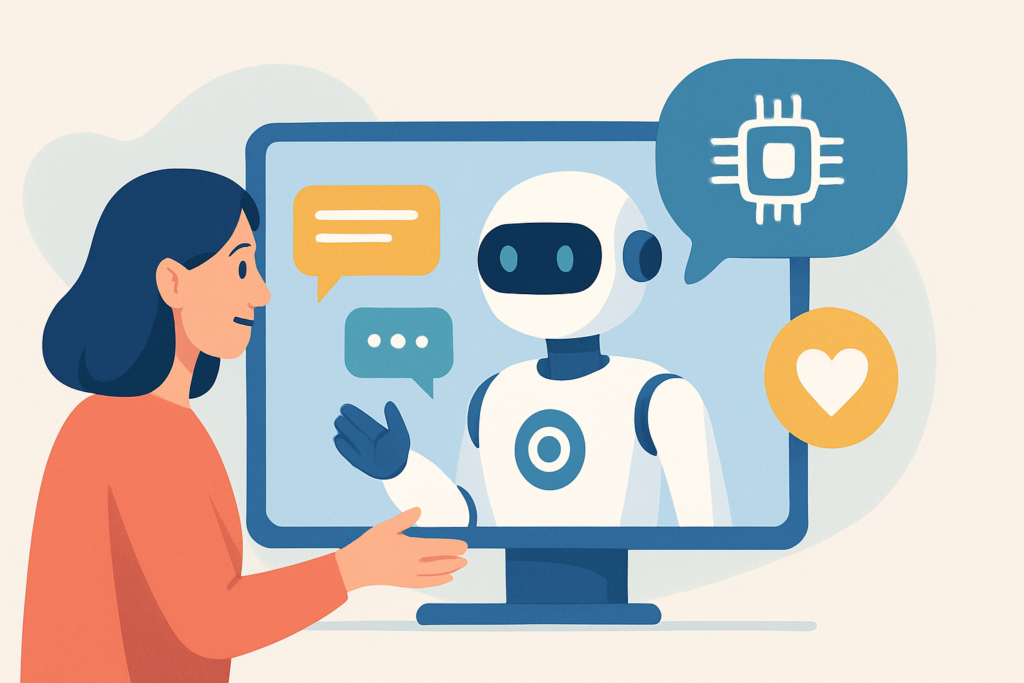
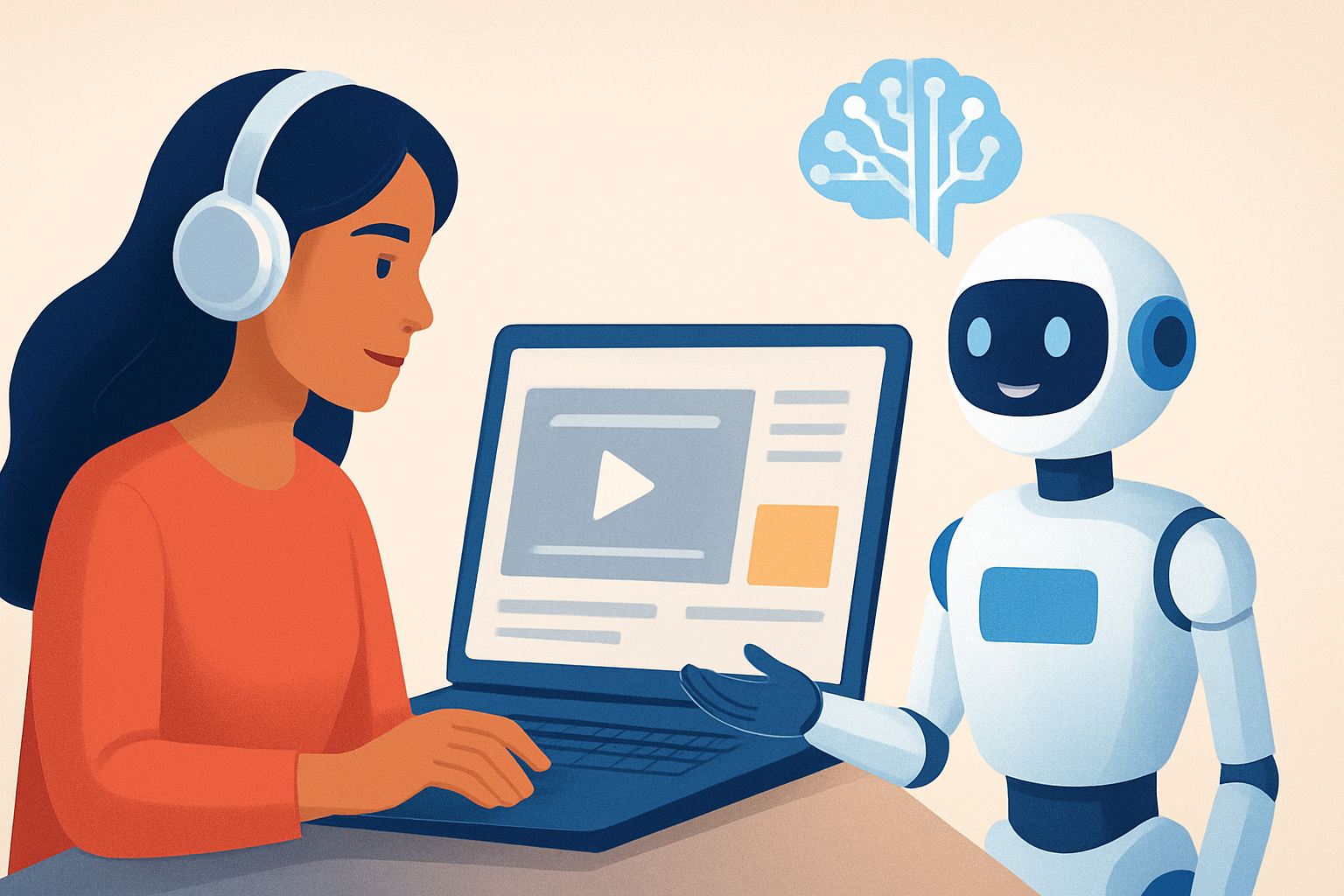
AI tutoring is becoming a core feature in many learning experiences. Instead of searching through forums or waiting for a response, learners can ask questions in natural language. The assistant can explain concepts, generate examples, and quiz the student on demand.
This can be especially helpful for complex subjects. Concepts like calculus, programming, or scientific modeling often require multiple explanations. AI tutors can offer variations without getting tired or constrained by office hours.
Still, the most effective tutoring systems guide learners toward problem-solving. They do not just provide answers. Good assistants ask clarifying questions and propose step-by-step approaches. This helps students build their own reasoning.
If you want a broader view of how AI supports learning beyond tutoring, consider AI in Education: The Future of Learning. It covers broader shifts in course design and learner experiences.
Rethinking Assessment and Academic Integrity
As AI becomes more capable, education systems must rethink assessments. Many traditional tests are designed for recall under time pressure. However, AI tools can perform certain tasks instantly. That changes what a “fair” assessment should measure.
Some educators respond by shifting toward project-based learning and open-ended evaluations. Others incorporate oral exams, oral presentations, or interactive problem-solving. Meanwhile, platforms can use AI to detect anomalies in submissions or patterns of behavior.
At the same time, schools must avoid overreaching surveillance. Overly invasive monitoring can harm trust. It can also disadvantage students with different learning styles or accessibility needs. Therefore, integrity frameworks should be transparent and equitable.
Common assessment shifts
- More emphasis on drafts, revision history, and process work
- Rubrics that reward reasoning and explanation, not only final answers
- Live demonstrations or supervised problem-solving sessions
- AI-assisted feedback combined with instructor review
Additionally, students need clear guidance. They should understand what AI use is allowed. They should also know how to cite and document assistance. These norms are becoming part of digital literacy.
Learning Analytics and Early Intervention
Online education already relies on dashboards and analytics. However, AI makes those insights more predictive. Instead of reporting that learners “struggle,” AI can forecast risk earlier. It can also suggest interventions tailored to the learner’s circumstances.
For example, a student who stops watching lectures may have hidden barriers. It could be content mismatch, time constraints, or confusion. AI can correlate multiple signals and recommend a targeted support path, such as a re-teach module or an alternative tutorial track.
Early intervention is particularly valuable for large enrollments. Instructors cannot manually track every learner. AI can prioritize which students need contact first. That improves outcomes while reducing unnecessary pressure.
Challenges: Privacy, Bias, and the Reliability of AI
Despite the opportunities, AI introduces new risks. Education is deeply personal, involving children, sensitive data, and long-term records. Therefore, privacy and governance must be built in from the beginning.
Bias is another challenge. If AI models learn from imbalanced data, feedback may be uneven. This could affect grading or the quality of learning recommendations. Institutions must test systems for equity. They must also monitor performance across demographic groups.
Reliability matters, too. AI can “hallucinate” plausible explanations that are wrong. In education, incorrect guidance can lead to deeper misconceptions. Thus, AI should be treated as an assistive tool. It should not replace expert oversight where accuracy is essential.
Key risks institutions should address
- Student data privacy and retention policies
- Bias in scoring, recommendations, and content selection
- Quality control for AI-generated explanations
- Transparent guidelines for responsible AI use
To strengthen your understanding of responsible tools, you might also read about practical tool selection in Free AI Tools for Students. It focuses on how learners can use resources effectively and safely.
How It Works / Steps: From Course Content to AI Guidance
- Data collection captures learning behavior like quiz attempts and time spent.
- Modeling and analysis identifies patterns and probable misconceptions.
- Content adaptation selects or generates the next lesson and practice set.
- Feedback generation provides comments on drafts, answers, or solutions.
- Tutoring interaction answers questions and guides step-by-step understanding.
- Instructor review validates key outputs and adjusts the learning strategy.
- Continuous improvement refines models based on outcomes and feedback.
Examples of AI Applications Across Learning Levels
AI is not limited to one type of course. It appears across subjects, age groups, and learning styles. Below are common examples that you may see in modern online education platforms.
K–12 and early learners
In early learning, AI can personalize reading practice and provide targeted vocabulary support. It can also simplify explanations and offer interactive quizzes. Teachers can use dashboards to see which concepts need reinforcement.
Higher education and professional courses
In college and training programs, AI can support coding labs and essay writing. It can also help students prepare with practice questions that resemble real assignments. Meanwhile, instructor review ensures academic quality and integrity.
Corporate learning and upskilling
In the workplace, AI can tailor courses to job roles and skill gaps. For example, a data analyst might receive SQL practice and workflow coaching. This model improves relevance and reduces wasted time.
Learning communities and peer support
AI can also mediate learning groups. It can help summarize discussions and highlight key points. It can then recommend follow-up study resources based on the group’s needs.
For additional context on how AI is applied outside education, explore AI Tools Comparison for Marketing Teams. Many evaluation frameworks translate directly to learning platforms, especially around workflow fit and accuracy.
FAQs
Will AI replace teachers in online education?
No. AI typically supports teachers by automating feedback and personalization. Human instructors remain essential for curriculum design, mentorship, and final evaluation.
Can AI grading be accurate?
It can be accurate for structured tasks like quizzes and some rubric-based writing. However, AI grading should include quality checks and instructor review, especially for high-stakes assessments.
Is AI tutoring safe for students?
Safety depends on the system’s privacy practices and content controls. Institutions should require guardrails, audit outputs, and clearly communicate acceptable use policies.
How does AI help students who fall behind?
AI can detect early risk signals and recommend targeted remedial lessons. It can also provide additional practice and alternative explanations to match the learner’s needs.
Key Takeaways
- AI enables adaptive learning that adjusts to each student’s progress.
- Automated feedback accelerates practice cycles in writing, coding, and problem-solving.
- AI tutors can scale support, but they require reliable controls and oversight.
- Privacy, bias, and assessment integrity must be managed responsibly.
Conclusion
AI is changing online education by making learning more personal, interactive, and responsive. It supports adaptive content paths, provides faster feedback, and offers tutoring-like guidance. At the same time, it introduces risks related to privacy, bias, and accuracy.
Therefore, the future of online learning is not simply “more AI.” Instead, it is smarter design, stronger governance, and better human-AI collaboration. When schools treat AI as an assistive layer, they can improve outcomes without sacrificing trust.
As adoption grows, learners and educators will benefit from clear policies and practical training. The goal is straightforward: help students learn faster, more confidently, and more effectively.