AI in Education: The Future of Learning
Artificial intelligence is rapidly changing how students learn and teachers teach. From adaptive tutoring systems to grading assistants, AI in education promises greater personalization and efficiency. Yet it also raises questions about equity, privacy, and the future role of educators. This article examines the trends, practical use cases, and policy challenges shaping the future of learning.
How AI Is Transforming Classrooms Today
Schools and universities are piloting AI tools across subjects and grade levels. These technologies automate routine tasks, offer adaptive resources, and create new forms of feedback. As a result, educators can spend more time on high-value teaching activities.
Several factors drive adoption. First, data availability has increased with digital learning platforms. Second, advances in natural language processing and computer vision make tools more reliable. Third, administrators seek cost-effective ways to personalize instruction at scale.
Personalized Learning and Adaptive Systems
Personalized learning is the most visible promise of AI in education. Adaptive systems analyze a student's responses and adjust content in real time. As a result, learners receive challenges that match their skill level.
Adaptive platforms also identify knowledge gaps. They recommend focused practice and provide instant feedback. Consequently, students progress faster and remain more engaged.
How adaptive tutoring works
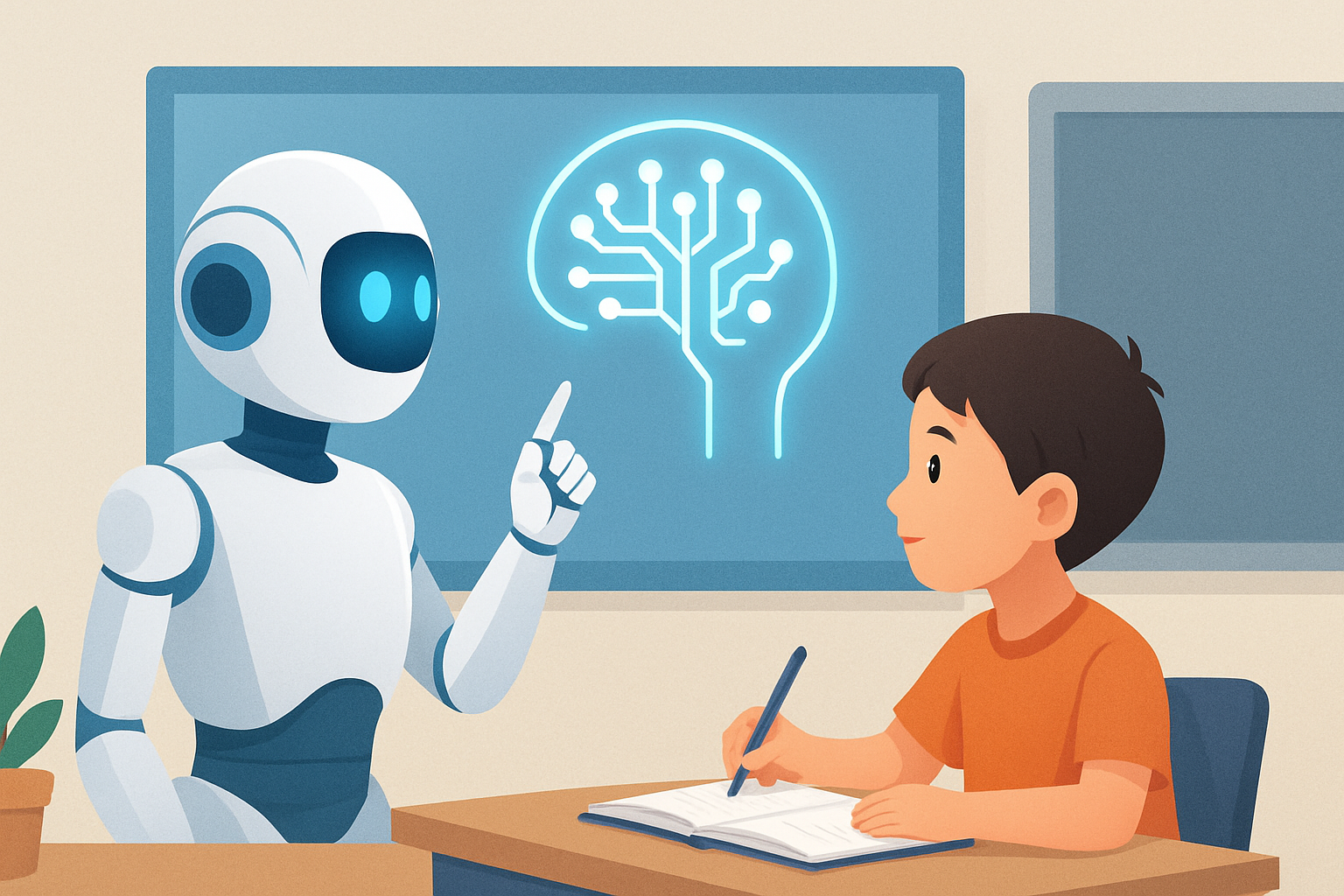
Adaptive tutoring systems map learner behavior to curriculum standards. They use assessment data to predict mastery and suggest remediation. Over time, the models refine recommendations based on student outcomes.
- Real-time diagnostics and intervention
- Customized pacing and content sequencing
- Automated progress reports for teachers and parents
Practical AI Tools for Teachers and Students
Teachers are using AI to save time and enhance instruction. Tools can grade quizzes, generate lesson ideas, and summarize student essays. As a result, educators can focus on mentoring and differentiated instruction.
Students benefit from AI-powered study aids, flashcards, and virtual tutors. These tools adapt to individual learning styles and provide on-demand practice. Moreover, many low-cost and free tools lower barriers to access.
For a broader view of the tools educators can adopt, see our roundup of time-saving solutions. You can also explore more free options in our guide to practical tools for classrooms.
AI Tools That Can Save You Hours Every Day and
Top Free AI Tools You Should Try Today
offer practical starting points for teachers and administrators.
Teacher Roles, Training, and Professional Development
AI changes, but does not replace, the core role of teachers. Educators remain central in designing learning experiences and supporting socio-emotional development. However, their tasks will shift toward facilitation and technology-informed instruction.
Effective adoption demands professional development. Teachers need training in interpreting AI-generated insights and integrating tools ethically. School leaders should invest in continuous coaching and collaborative learning communities.
- Training on data literacy and tool evaluation
- Workshops for lesson redesign using AI insights
- Peer-led pilots and feedback loops
Equity, Privacy, and Ethical Concerns
AI in education creates potential for both inclusion and harm. Adaptive systems can support underserved learners when designed with equity in mind. Conversely, bias in training data can replicate or worsen existing gaps.
Privacy is another pressing concern. Student data is sensitive, and misuse can have long-term consequences. Schools must adopt clear data governance and transparent consent policies. In addition, vendors should be held to high standards for security and accountability.
Addressing bias and fairness
Mitigating bias requires diverse datasets and ongoing audits. Educators should demand explainability for high-stakes decisions. Moreover, policymakers must update regulations to ensure fairness and transparency.
Infrastructure, Cost, and Implementation Challenges
Practical implementation often stumbles on infrastructure. Many districts lack reliable broadband or modern devices. The result is inconsistent access and uneven outcomes.
Costs extend beyond subscriptions. Schools must budget for training, integration, and maintenance. Furthermore, legacy systems can complicate interoperability and data sharing.
- Reliable internet and modern devices are essential
- Upfront and ongoing costs must be planned
- Interoperability and vendor support are critical
Policy, Standards, and the Future Workforce
Governments and education authorities are beginning to set standards for AI use. Policies often focus on privacy, procurement, and pilot funding. As standards mature, they will shape procurement and classroom practices.
AI will also affect the future workforce. Schools must equip students with skills for a changing economy. Critical thinking, creativity, and digital literacy will remain top priorities. At the same time, understanding how to use AI responsibly will become a core competency.
For perspective on broader AI developments, policymakers and educators can consult recent trend analyses. These studies clarify how technological shifts will affect learning systems.
The Biggest AI Trends Shaping 2026 provides useful context on long-term directions.
Emerging Innovations to Watch
Several emerging technologies promise to accelerate transformation. These include generative AI for content creation, multimodal tutoring, and more accessible assessment tools. Together, they make education more interactive and scalable.
Among the notable innovations are AI-driven simulations and virtual labs. These tools offer hands-on experiences where physical resources are limited. They can democratize access to advanced STEM learning.
- Generative AI for adaptive content and assessments
- Multimodal interfaces that combine voice, text, and vision
- Simulation-based learning for complex skills
Key Takeaways
- AI in education enables personalized learning and automated support.
- Teachers remain essential, but their roles will evolve toward facilitation.
- Equity, privacy, and infrastructure are central adoption challenges.
- Policy and professional development determine long-term success.
- Practical tools and emerging innovations can democratize high-quality learning.
Conclusion
AI in education is neither a panacea nor a threat in itself. It is a tool that can amplify what works and expose what does not. Successful adoption hinges on thoughtful policy, ethical design, and investment in people. With those elements in place, AI can help realize a future of learning that is more personalized, inclusive, and effective.