Best AI Tools for Video Editing
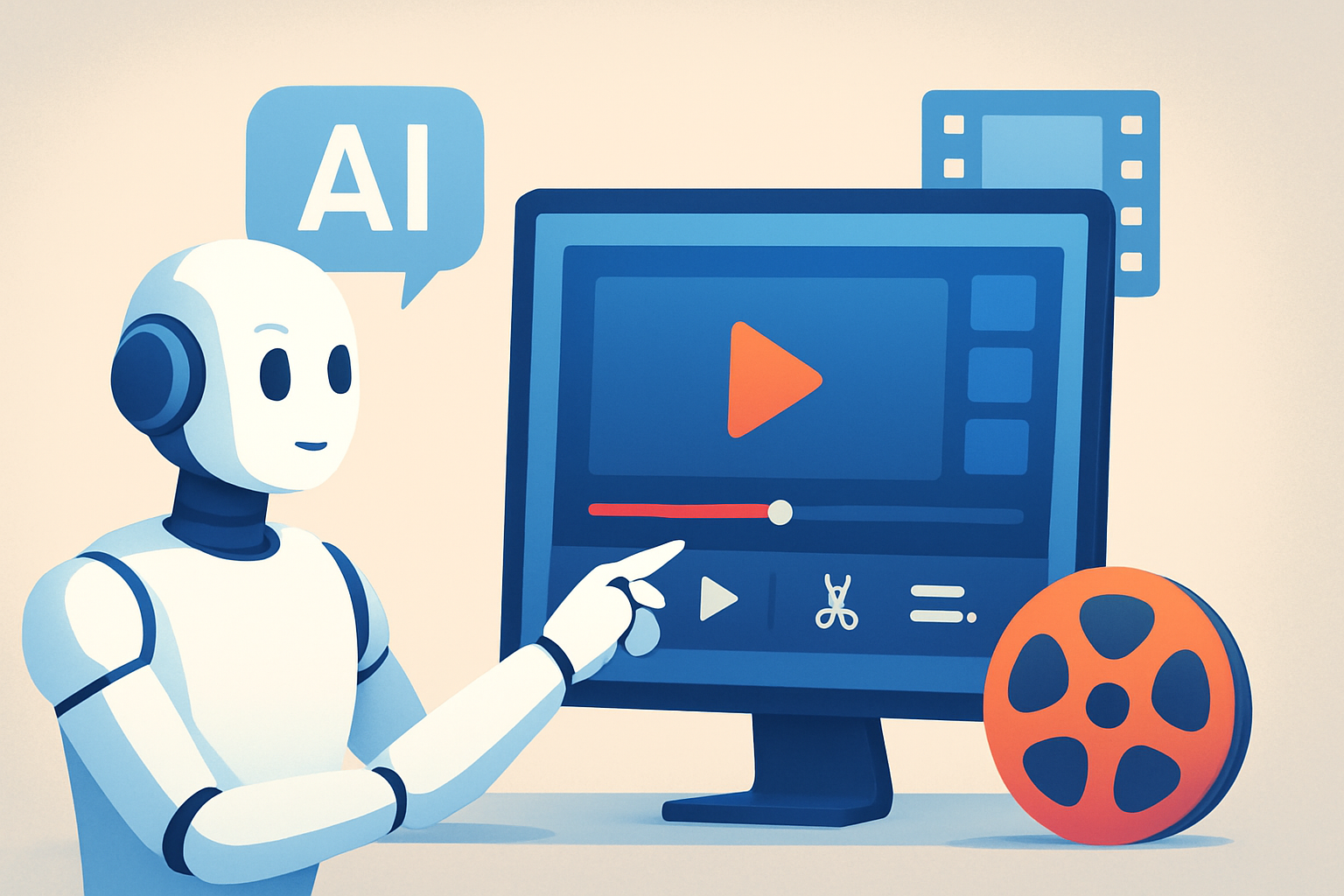
AI video editors can cut weeks of work into hours by automating editing, color, audio, and motion tasks. This guide highlights top tools, workflows, and real-world uses to help you choose.
Quick Overview
- AI speeds editing with automated cuts, color grading, and subtitles.
- Tools range from simple mobile apps to pro-grade desktop suites.
- Choose based on workflow: draft, polish, or full production.
Why AI Video Editing Tools Matter in 2026
Video content demands are growing across platforms and industries. Marketers, educators, and creators need faster, cheaper ways to produce high-quality footage. Consequently, AI-powered editing tools address time constraints and technical skill gaps.
Moreover, AI introduces new creative possibilities. For instance, generative video, automated scene reconstructions, and voice synthesis reduce production frictions. As a result, teams scale output without proportionally increasing resources.
Who benefits most from AI video editors?
Different audiences gain different advantages. Content creators and influencers speed up daily uploads. Small businesses create promotional videos without hiring studios. And post-production teams use AI to automate repetitive tasks.
If you’re exploring AI across workflows, see our coverage on other tools. For small business needs, check this guide on Top AI Tools for Small Business Growth. For content creators, try our Beginner’s Guide to Using AI for Content Creation.
What Top AI Video Editors Offer
Modern AI video editors bundle capabilities that used to require specialists. Expect the following features in leading tools.
- Auto-cut and highlight reels based on speech or action.
- Automatic captions and subtitle translation in multiple languages.
- AI-assisted color grading and scene matching across clips.
- Noise reduction and AI-driven audio mixing.
- Text-to-video and generative elements for rapid prototyping.
- Template-driven outputs for social platforms and ads.
Some tools focus on collaborative workflows and cloud rendering. Others prioritize offline professional color and VFX pipelines. Therefore, align features to your final delivery needs.
How It Works / Steps
- Ingest footage: Upload raw clips from cameras or phones.
- Analyze: AI detects scenes, faces, speech, and key actions.
- Generate edits: The tool suggests cuts, transitions, and pacing.
- Polish assets: Apply AI color grading and audio cleanup.
- Export and iterate: Render deliverables and refine with feedback.
Throughout this flow, previewing and manual adjustments matter. AI reduces the heavy lifting, but human oversight preserves intent and brand voice.
Examples
Below are practical use cases and tools that align with them. Each entry explains typical workflows and outcomes.
- Social videos and shorts: Tools with automatic aspect conversion and clip trimming speed up repurposing. Creators often use mobile-first editors to optimize for vertical formats.
- Corporate training and explainer videos: Text-to-speech and auto-captioning simplify accessibility. Teams generate narrated slides and screen recordings efficiently.
- Marketing and ad production: Template-driven editors produce variants for A/B testing. AI can create multiple versions with different hooks and CTA placements.
- Documentary and long-form editing: Advanced editors assist with rough cuts and metadata tagging. Editors still perform fine cuts, but AI handles searching and assembly.
- Localization at scale: Tools that translate and sync subtitles allow global releases without multiple dubbing sessions.
For creators seeking free resources, you may also want to explore our list of image tools. See Best Free AI Image Generators in 2026 for complementary assets.
Top Tools to Consider
Below are categories and representative tools. Each category suits different budgets and skill levels.
- Pro-grade suites with AI modules: Traditional NLEs now include AI features for color, audio, and object removal. They suit post houses and professionals.
- Cloud-first editors: These provide fast iteration and collaboration. They are ideal for distributed teams and agencies.
- Mobile and social-first apps: Designed for speed, these tools automate trimming and format conversion.
- Generative video platforms: Emerging services offer text-to-video and synthetic presenters.
Choose tools that integrate with your current editing pipeline. Also evaluate pricing models, rendering speed, and export quality.
Choosing the Right Tool: Evaluation Checklist
When selecting an AI editor, rate tools against these criteria.
- Output quality: Does the rendered video meet platform standards?
- Speed: How much time does automation save in your workflow?
- Control: Can you override AI suggestions when needed?
- Privacy and security: Where is data stored and processed?
- Cost: Are subscriptions, render fees, or credits involved?
- Integration: Does it work with your existing asset library and codecs?
Test with a short project before committing. Most providers offer trial periods or free tiers for evaluation.
FAQs
Will AI editing replace human editors?
Not entirely. AI automates many routine tasks. Yet skilled editors retain creative judgment and narrative control. In short, AI augments rather than replaces human expertise.
Are AI-generated edits accurate for complex stories?
AI performs best on clear, structured footage. It sometimes misses subtle cues and tone shifts. Therefore, for narrative or emotional beats, human review remains essential.
How do AI editors handle privacy and data?
Policies vary across vendors. Many process footage in the cloud, which raises compliance questions. Always verify data handling, retention, and encryption practices before uploading sensitive content.
Can AI tools match professional color grading and VFX?
AI speeds many grading tasks and automates matching across shots. However, complex VFX still require manual skill and software like high-end compositors. Use AI for base work, then refine with experienced artists.
Key Takeaways
- AI tools dramatically reduce time spent on repetitive edits.
- Select a tool that matches your workflow and quality needs.
- Human oversight preserves storytelling and brand nuance.
- Evaluate privacy, cost, and integration before committing.
Conclusion
AI video editing tools are now integral to modern production workflows. They increase speed while opening new creative possibilities. Still, editors must balance automation with human judgment.
Start by experimenting with a small project. Then scale tools into your process once they prove reliable. Finally, keep learning about AI advances to stay competitive.