AI Trends in Personal Assistants: What’s Next for Smarter, Safer Everyday Help
AI personal assistants are moving beyond simple voice commands. Today’s systems can plan tasks, summarize information, and help users navigate work and life. However, the next wave is about something more ambitious: assistants that understand context, interact across apps, and act with stronger safeguards.
In this long-form guide, we examine major AI trends shaping personal assistants. We also highlight what these changes mean for everyday users, businesses, and developers. Most importantly, we focus on practical implications, not hype.
From Chatbots to Partners: The Assistant Role Is Expanding
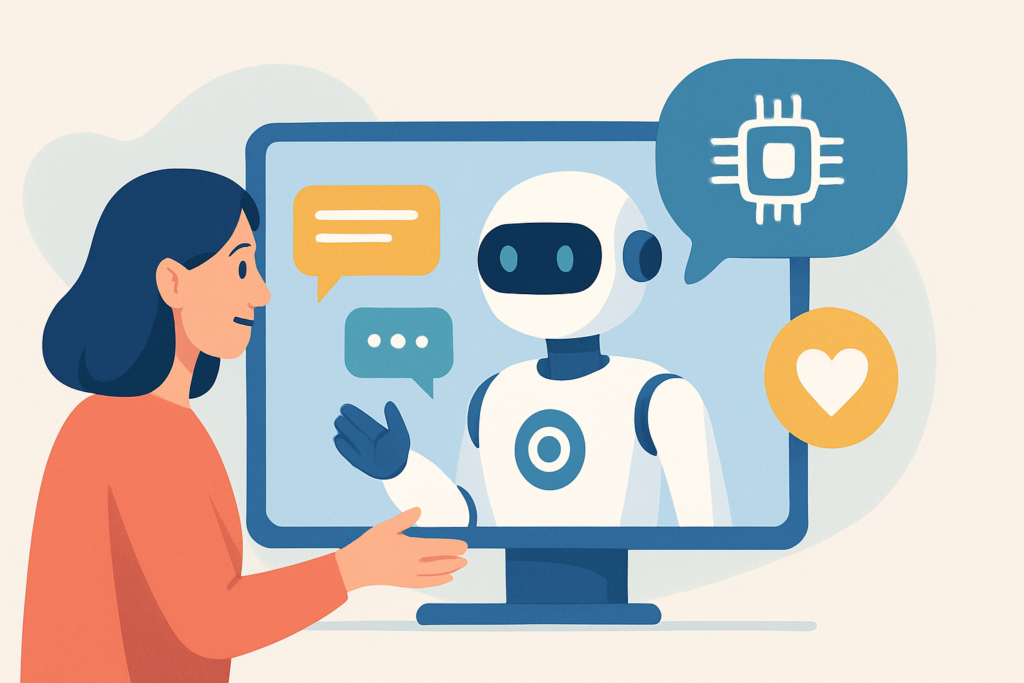
Personal assistants began as conversational interfaces. Then they evolved into command-and-control tools for calendars, reminders, and message drafting. Now, the trend is toward a more partnership-style experience.
Instead of waiting for prompts, advanced assistants can anticipate needs. They also coordinate steps across multiple services. As a result, users spend less time switching between apps.
Additionally, assistant experiences are becoming more goal-oriented. They help define outcomes, not just generate responses. For example, an assistant might organize a travel plan end-to-end, including schedules and contingency notes.
What’s driving this shift
Several technical trends make assistants feel more proactive. First, better context handling improves continuity. Second, tool use allows assistants to take actions rather than only describe them. Third, memory features help retain preferences over time.
- Context-aware conversations across sessions
- Tool calling for browsing, scheduling, and document edits
- User preference memory with clearer controls
- Multi-step workflows that reduce manual effort
If you want to see how assistants learn from information gathering, you may also like how to use AI for market research. The underlying pattern—collecting signals, synthesizing insights, and acting—maps closely to assistant workflows.
Multimodal Assistants: Seeing, Hearing, and Understanding Your World
One of the most visible AI trends is multimodality. Personal assistants increasingly handle text, voice, images, and sometimes video. That matters because daily life is rarely text-only.
Consider a user who snaps a photo of a receipt. A multimodal assistant can extract details, categorize expenses, and suggest reimbursement steps. Similarly, an assistant can interpret a chart on-screen and summarize key trends in plain language.
As multimodal capabilities expand, interfaces become more natural. Voice can drive the conversation, while images add precision. Consequently, the assistant becomes more helpful in both routine and complex tasks.
Common multimodal use cases
- Reading and summarizing documents from images or PDFs
- Interpreting screenshots for troubleshooting steps
- Drafting messages after analyzing an email thread
- Capturing meeting notes with spoken context
Even so, multimodal assistance introduces new safety and accuracy challenges. Image understanding can be wrong, especially with unclear photos. Therefore, strong verification features and user confirmation are essential.
AI Agents and Task Automation: Assistants That Take Actions
Another major trend is the rise of AI agents. These systems can plan steps, call tools, and complete tasks. Instead of responding to a query, an agent can move the work forward.
For personal assistants, this could mean automating recurring routines. For instance, an agent might check for schedule conflicts, propose calendar updates, and notify stakeholders. Additionally, it could monitor projects and draft progress summaries.
Crucially, the shift from chat to action changes how users evaluate assistant quality. Users will care about reliability, transparency, and rollback options. A helpful assistant must be auditable, not just fluent.
How agents work in practice
Most agent-style workflows include planning, tool use, and execution. The assistant interprets the goal, breaks it into steps, and then uses integrated tools. Afterward, it returns results and explains what it did.
- Planning: Identify objectives, constraints, and preferences.
- Execution: Use tools like calendars, email, and files.
- Verification: Confirm outputs with the user when needed.
- Logging: Track actions for transparency and safety.
To understand why these workflows matter, it helps to compare them with how AI handles analysis tasks. See best AI tools for research and analysis for a related perspective on structured work.
Privacy, Security, and “Personal” Data Controls Become Central
As assistants become more capable, they also become more sensitive. Personal assistants often access messages, documents, locations, and billing details. Therefore, privacy is no longer a side topic. It is part of the core product value.
Expect increased emphasis on data minimization. In other words, systems will try to process only what they need. There is also likely to be more on-device processing for certain tasks.
At the same time, developers will face pressure to improve user controls. Users need simple settings that explain how data is stored and used. They also need ways to delete memories and review conversation history.
Key privacy trends in personal assistants
- More transparent data retention policies
- Controls for memory, personalization, and re-training signals
- Encryption and secure identity verification for tool access
- Better safeguards against prompt injection and data leakage
Furthermore, the industry trend is shifting from “trust us” to “show us.” Assistants may provide action previews and clear justifications. That improves user confidence when the assistant performs changes.
Regulation and Standards: Compliance Will Shape Assistant Design
AI regulation is accelerating across regions. Personal assistants, as consumer-facing products, will be affected early. In particular, rules around consent, transparency, and automated decision-making will influence features.
Additionally, standards for security and model evaluation will shape what vendors ship. Assistant makers may need to document limitations and error rates. They may also need to implement safety filters for specific domains.
Even so, compliance should not mean clunky experiences. The best implementations will blend policy with usability. Users should feel safe without reading legal text.
Where policy will show up first
- Clear explanations for when assistants act autonomously
- Constraints on using sensitive data for nonessential tasks
- Audit logs for assistant-driven actions in enterprise contexts
- Stronger identity checks before sending messages or payments
As a result, assistants will likely become more “guardrailed.” They will ask for confirmation more often. However, this can reduce mistakes and protect users from harmful outcomes.
Better Personalization with Memory—and Fewer Unwanted Surprises
Memory features are a defining assistant trend. They enable assistants to remember preferences, recurring routines, and personal context. Over time, this can make interactions feel more tailored and less repetitive.
However, memory is also a risk. Incorrect memories can lead to wrong assumptions. They can also create privacy concerns if users do not understand what is stored.
Therefore, personalization will likely evolve toward granular controls. Users may manage memory categories and set expiry periods. They may also receive a “memory edit” interface for corrections.
Emerging memory best practices
- Let users review and edit stored preferences
- Use confirmation steps for high-impact changes
- Separate long-term memory from temporary context
- Support “forget” options that work immediately
When memory works well, assistants become more than a tool. They become a consistent partner that fits a user’s workflow.
Assistant Ecosystems: Integration Beats Intelligence Alone
Personal assistants live inside ecosystems. That includes operating systems, productivity suites, messaging platforms, and cloud storage. Consequently, intelligence alone is not enough.
Users care about whether the assistant can do something useful. Can it draft a document, schedule a meeting, and update a spreadsheet? Can it read the right files and apply consistent formatting? The answer depends on integration quality.
As a result, the next phase of assistant trends may focus on connectors and permissions. Assistants will need fine-grained access control. They must also adapt to different file types and app workflows.
Integration signals to watch
- Supported apps and deep link capabilities
- Granular permission management for tool access
- Document handling quality across formats
- Reliable action outcomes and rollback options
This direction mirrors how AI adoption succeeds in many domains. Tools that connect to existing workflows often deliver better outcomes. For more on applied AI workflows, you might explore free AI tools for productivity.
Quality, Reliability, and “Human-in-the-Loop” Workflows
As assistants gain autonomy, they must also improve reliability. Users will increasingly demand correctness, not just impressive language. That includes better handling of uncertainty and fewer fabricated details.
Therefore, the assistant trend is moving toward human-in-the-loop patterns. In these setups, the assistant drafts or proposes actions. Then it asks for confirmation for sensitive steps like sending messages or changing accounts.
Additionally, quality improvements will come from evaluation pipelines. Vendors can test assistants with real user-like tasks. They can also measure failure modes and reduce recurring errors.
Practical expectations for users
- Use assistants for drafting, planning, and summaries first
- Review action confirmations for sensitive outcomes
- Verify factual claims when accuracy matters
- Adjust assistant settings to match your risk tolerance
Over time, this balance will help assistants become both capable and trustworthy.
Key Takeaways
- Personal assistants are shifting from chat to goal-based partnerships and multi-step workflows.
- Multimodal AI enables assistants to interpret voice, images, and documents in context.
- AI agents can take actions, making transparency, logging, and confirmation essential.
- Privacy controls and regulation will strongly influence assistant design and personalization features.
Conclusion
AI trends in personal assistants point toward a future with smarter automation and richer experiences. Multimodal interfaces will make assistants easier to use in real life. At the same time, agentic systems will help users complete tasks faster.
However, progress will depend on safety and trust. Privacy controls, security protections, and compliance measures will shape what “helpful” means. Ultimately, the best personal assistants will combine capability with clear boundaries.
For technology watchers, this is an exciting era. The assistant category is not only evolving quickly. It is also redefining how people interact with software every day.