AI Tools Comparison: Image vs Video AI — What to Choose for Real-World Results
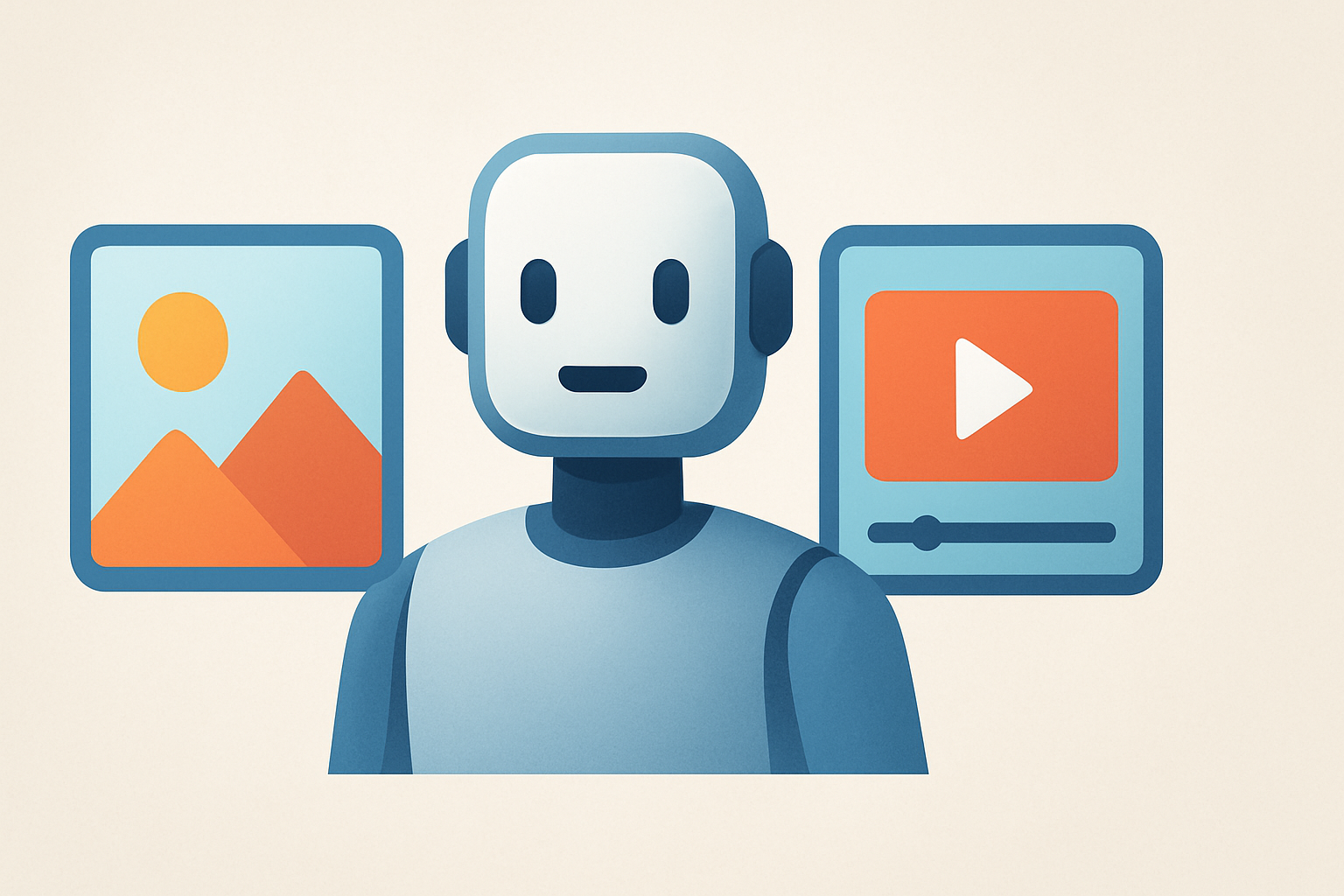
Image AI is faster and cheaper to produce high-quality visuals, while video AI adds motion and storytelling at higher compute costs.
Quick Overview
- Image AI excels at concepting, product shots, and style exploration.
- Video AI is best for ads, demos, social clips, and narrative motion.
- Choose based on output type, budget, and workflow constraints.
- Both categories can work together in a single production pipeline.
Why Image vs Video AI Matters in 2026-Style Production
AI generation has moved from novelty to workflow. Teams now need reliable outputs, repeatable results, and clear costs. At the same time, they must meet platform expectations for resolution, motion, and style consistency.
That is why comparing image AI tools and video AI tools is more than an academic exercise. It is a practical decision that affects timelines, quality, and downstream editing. Moreover, it changes which skills your team should build.
To make this choice easier, this guide breaks down how each category works, what to expect, and when one approach beats the other. You will also find selection criteria and practical examples for modern creators and businesses.
What “Image AI Tools” Usually Do
Image AI tools generate or transform still visuals. They often support text-to-image, image-to-image edits, and style transfer. Many tools also include upscaling, background removal, and inpainting features.
Additionally, image workflows tend to be simpler. A typical project involves prompts, iterative variations, and export settings. Because outputs are static, the system has fewer dimensions to get exactly right.
As a result, image AI often reaches usable quality faster. It also tends to be cheaper to run at scale. However, static visuals do not capture motion or temporal storytelling.
Common Image AI Capabilities
- Text-to-image for generating new concepts from prompts.
- Image-to-image for transforming a reference photo or sketch.
- Inpainting to fix or redesign specific regions.
- Outpainting to extend a canvas beyond the original frame.
- Upscaling to improve clarity for web and print.
What “Video AI Tools” Usually Do
Video AI tools generate clips or animate existing assets. They can create motion from text, interpolate frames, or use a reference image as a starting point. Some tools support video editing features like motion-aware transformations.
However, video adds complexity. Time introduces consistency problems, including flicker, drifting features, and unstable backgrounds. Even when models create impressive motion, editors often need refinement.
Therefore, video AI usually requires more iterations and post-production. It also tends to cost more due to compute demands. Still, the outcome can be significantly more engaging than a still image.
Common Video AI Capabilities
- Text-to-video for generating motion sequences.
- Image-to-video for animating a still frame into a clip.
- Video stylization for converting footage into a new look.
- Interpolation to increase frame rates and smooth motion.
- Style and character consistency tools to reduce variation.
Side-by-Side Comparison: Image AI vs Video AI Tools
Choosing between image and video AI often comes down to constraints. Those constraints include budget, time, quality requirements, and the type of creative you want to ship. The table below summarizes the most important differences.
Note: Exact performance varies by tool and model generation. However, these trends are consistent across the market.
Speed and Iteration Cycles
Image AI usually supports faster iteration. You can generate multiple candidates, compare styles, and refine prompts quickly. Consequently, teams can explore creative directions more broadly.
Video AI typically takes longer per attempt. Additionally, quality improves through repeated trials and prompt adjustments. Because motion must remain coherent, editing time often grows.
Cost and Compute Considerations
Image generation generally requires less compute than video generation. That means lower usage costs and more affordable experimentation. For small businesses, this often determines whether AI is used daily or only occasionally.
Video AI costs more because it outputs multiple frames or simulates time. Therefore, teams should budget for iterations and post-processing. In practice, many workflows combine both categories to manage cost.
Output Quality: Crispness vs Coherence
Image outputs can be highly detailed in a single frame. Most tools also offer upscaling for sharper results. Therefore, they are strong for thumbnails, product visuals, and landing pages.
Video outputs must balance realism, motion, and consistency. Even when individual frames look good, coherence across frames can be challenging. For that reason, video AI is often paired with editing workflows.
Creative Control and Editing Hooks
Image tools often provide direct editing features like inpainting. That makes it easier to fix small mistakes. You can also reuse the same design as an asset library.
Video tools may include interpolation and transformation, but precise edits can be harder. Some platforms offer control features, yet the workflow is still more complex than still image editing.
Distribution Requirements: Where Video Wins
Video is inherently more engaging in social feeds and marketing funnels. It can demonstrate a product, explain a concept, or build brand personality. Additionally, video supports longer watch time.
However, video also faces stricter format needs. Platforms prefer consistent aspect ratios, frame rates, and audio strategies. Therefore, a strong video workflow is not just generation; it is release engineering.
How to Choose the Right Tool Category for Your Use Case
Before picking specific tools, define what success means. Then match that definition to the strengths of image and video AI. This avoids spending time on the wrong generation type.
Choose Image AI When You Need
- Product imagery, menus, thumbnails, or hero banners.
- Brand style exploration through multiple variations.
- Fast concepting for pitch decks and storyboards.
- Asset consistency for websites and ads.
- Design iteration without heavy editing overhead.
Choose Video AI When You Need
- Motion storytelling for campaigns and explainers.
- Short-form content optimized for social platforms.
- Product demos and scene-based presentations.
- Engagement boosts compared to static creatives.
- Rapid clip production when timelines are tight.
How It Works / Steps
- Define the output format: still images, short clips, or both.
- Write prompts with intent: specify style, subject, lighting, and composition.
- Generate variations: iterate fast until you hit a strong base.
- Refine with editing tools: use inpainting, upscaling, or frame corrections.
- For video, validate coherence: check flicker, drift, and background stability.
- Post-produce for release: add cuts, subtitles, color grading, and audio strategy.
- Export to platform specs: match aspect ratio, resolution, and frame rate requirements.
Examples: Realistic Workflows That Mix Both
Many teams use image AI first, then expand into motion. This approach is often more efficient than generating everything as video from scratch. It also improves creative control.
Example 1: E-commerce Launch Assets
A brand can generate product-style images for multiple angles. Then it can animate select frames into short social clips. Because the stills are already aligned with product branding, the video looks more consistent.
In practice, you can use:
- Image AI for hero shots and lifestyle backgrounds.
- Video AI for short “unboxing” or rotating-style animations.
- Editing for captions, timing, and brand overlays.
Example 2: Marketing Campaign Storyboarding
Campaign teams can create a visual storyboard using image AI. They can test scenes, color palettes, and character designs. After that, video AI can produce motion versions of the final storyboard frames.
This reduces trial-and-error in video generation. It also helps stakeholders approve creative direction earlier.
Example 3: Developer-Driven Creative Pipelines
Developers may integrate AI generation into web and automation workflows. Still images can feed landing pages quickly, while video clips can power onboarding and feature announcements.
If your team is exploring tool integration, you may also find value in free AI tools for automation workflows.
Limitations and Risk Areas You Should Plan For
AI generation is powerful, but it is not a fully autonomous production engine. You need QA checks and a clear content policy. Otherwise, quality surprises can derail deadlines.
Common Challenges for Image AI
- Prompt sensitivity: small prompt changes can alter results.
- Style inconsistency: multiple assets may not match without controls.
- Detail errors: logos, text, and fine-grained elements can be unreliable.
Common Challenges for Video AI
- Temporal artifacts: flicker and unstable backgrounds.
- Identity drift: faces and characters may change subtly.
- Motion oddities: warped gestures and inconsistent physics.
- Longer QA cycles: you must watch the entire clip, not just frames.
SEO and Brand Strategy: Make Outputs Perform
Even the best generation tool will fail if your creatives do not match search and audience intent. Therefore, plan how you will use image and video assets across your marketing funnel.
For image-based SEO, focus on fast-loading formats and descriptive file naming. Also, use consistent branding across product pages. For video, prioritize hook placement, clear captions, and format alignment.
If you want broader context on where AI adoption is heading, consider AI News: The Latest Industry Shifts for market-level signals.
FAQs
Which is easier to start with: image AI or video AI?
Image AI is generally easier. It has faster iteration cycles and fewer coherence problems. Video AI usually demands more post-production and QA.
Can I use image AI and video AI together?
Yes. Many workflows generate still designs first, then animate selected frames. This combination improves consistency and reduces video trial costs.
Is video AI always more expensive than image AI?
In most cases, yes. Video requires more compute due to multiple frames. However, cost varies by tool pricing and clip length.
Do video AI tools eliminate the need for editing?
No. Video often needs cleanup, pacing adjustments, and effects. You may also need subtitles and brand overlays for distribution.
What should I prioritize for business use cases?
Prioritize reliability, repeatability, and workflow integration. Also, consider how easily outputs can be reused across channels.
Key Takeaways
- Image AI is ideal for speed, cost control, and high-detail still visuals.
- Video AI excels at engagement and storytelling through motion.
- Video generation often requires more iteration and careful QA.
- Best results often come from a mixed pipeline: images first, video second.
Conclusion
The choice between image AI and video AI is ultimately a choice about storytelling form. If you need crisp visuals quickly, image tools are the clear starting point. If you need motion that captures attention, video tools deliver stronger audience engagement.
However, the best teams do not treat them as alternatives. Instead, they build a pipeline that uses each tool where it performs best. That strategy can reduce costs, improve consistency, and help you publish faster.
For continued learning, keep an eye on new workflow patterns and tool releases in AI News: Key Trends to Watch. Then test one category at a time until your process becomes repeatable.