How AI Is Transforming Banking Systems
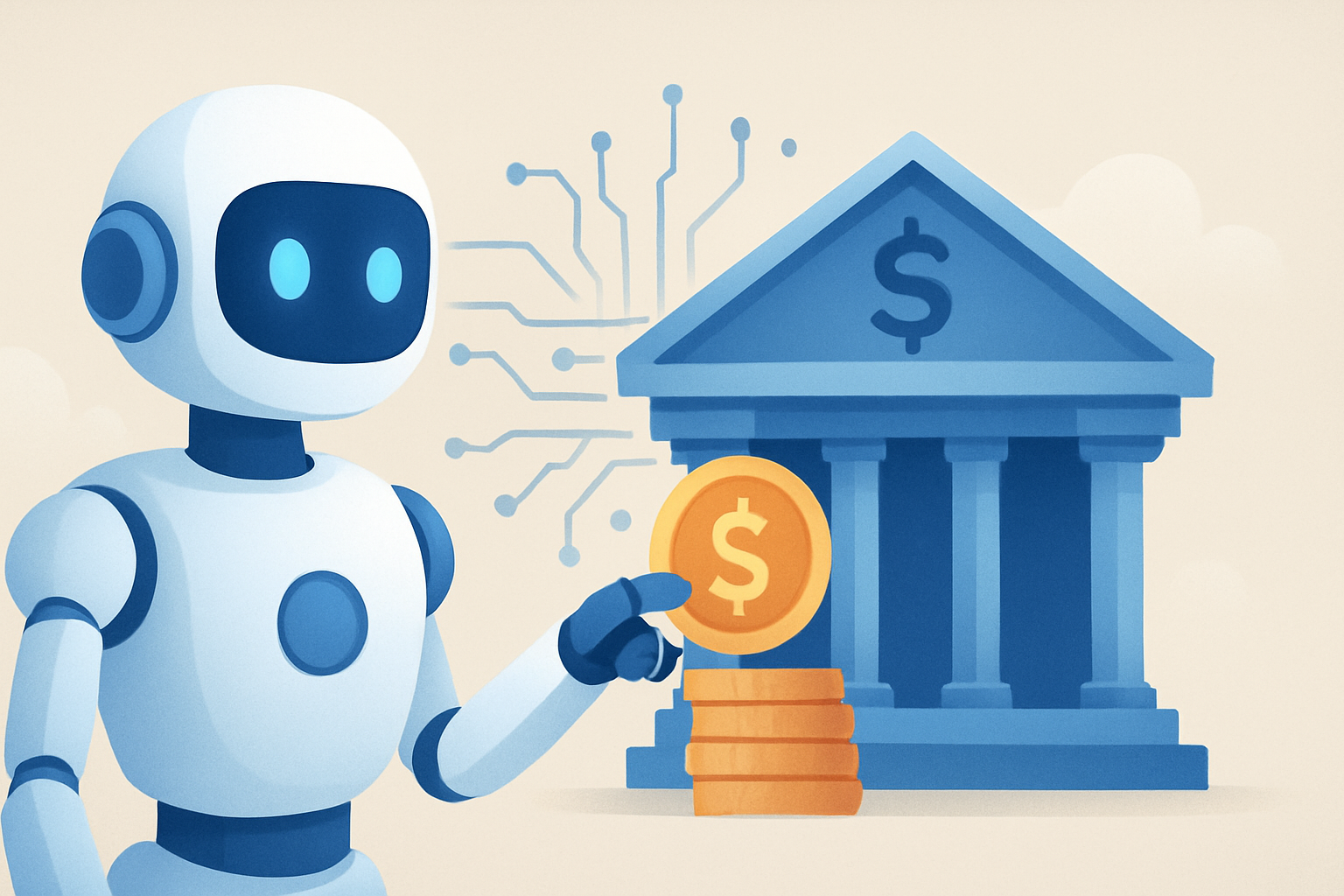
Banking has always relied on data, but modern expectations are changing fast. Customers want instant answers, seamless onboarding, and safer transactions. At the same time, regulators demand stronger controls and clearer documentation. In this environment, AI is becoming a core technology, not an experimental add-on.
From fraud detection to customer support, AI is reshaping banking systems end to end. It improves underwriting, accelerates operations, and helps institutions respond to market changes. However, the transformation also introduces challenges, including model risk, privacy concerns, and integration complexity. Therefore, banks must adopt AI carefully and measure results continuously.
Why AI Adoption Is Accelerating in Banking
Several forces are converging inside the banking sector. First, data volumes have grown due to digital channels and always-on trading environments. Second, customer journeys now expect real-time service. Third, cost pressure is pushing banks to automate routine work without sacrificing oversight.
Meanwhile, AI capabilities have improved significantly. Machine learning models can now find patterns in unstructured and structured data. Additionally, natural language processing can interpret documents, emails, and chat messages. As a result, banks can use AI for both predictive analytics and decision support.
Core Areas Where AI Transforms Banking Systems
AI transformation rarely happens in a single department. Instead, it spreads across customer experience, risk, compliance, and operational workflows. Furthermore, many banks are building shared platforms that support multiple use cases. This helps reduce duplication and improves governance.
Fraud Detection and Real-Time Risk Scoring
Fraud is one of the most visible banking problems. Traditional systems can struggle when fraud tactics evolve quickly. AI changes the game by learning from past fraud signals and adapting to new patterns.
For example, AI models can analyze transaction velocity, device behavior, and account history. They can then assign a risk score within seconds. If the risk is high, the bank can block the transaction or request additional verification.
Common AI-driven fraud techniques include:
- Anomaly detection to spot unusual spending patterns
- Graph analytics for identifying connected fraud networks
- Behavioral biometrics for evaluating typing, movement, and device signals
- Continuous model monitoring to reduce drift over time
Importantly, these systems must be explainable enough for investigators. Otherwise, fraud teams cannot interpret decisions. Therefore, strong model governance becomes essential.
Personalized Banking Experiences
Customers want banking that feels tailored, not generic. AI can analyze customer preferences, transaction patterns, and life events. Then it can deliver personalized product recommendations and proactive alerts.
For example, an AI assistant may suggest switching to a better savings product. It can also notify users when unusual charges appear. Additionally, AI can guide customers through onboarding forms, reducing drop-off rates.
However, personalization requires careful design. Banks must avoid overly aggressive offers. They also need to ensure recommendations comply with marketing rules. As a result, personalization engines should include controls for fairness and consent.
Credit Underwriting and Smarter Loan Decisions
Underwriting is a high-stakes process with tight constraints. AI can support credit decisions by using more data signals than legacy systems. This includes transaction histories, alternative data, and document analysis.
Machine learning models can estimate default probabilities with improved accuracy. They can also help segment borrowers by risk profile. Consequently, lenders can offer more pricing precision while maintaining responsible lending principles.
Still, AI must be tested for bias and robustness. A model that performs well in one region may fail in another. Therefore, banks increasingly run stress tests and holdout evaluations before deploying models.
Customer Support Automation with Natural Language AI
Chatbots and AI assistants can reduce wait times for common requests. They can handle tasks like balance inquiries, card status checks, and password resets. Moreover, natural language processing can interpret complex questions and route them to the right team.
Yet automation should not replace human oversight for sensitive topics. Disputes, account closures, and fraud investigations still require trained staff. Therefore, many banks use AI for triage and escalation.
This approach improves efficiency while preserving accountability. It also creates better customer experiences during peak demand periods.
How AI Improves Bank Operations and Cost Efficiency
Beyond customer-facing applications, AI is changing internal operations. Banks handle massive volumes of documents and transactions each day. AI helps them process this workload faster and with fewer manual steps.
Document Processing and Automated Compliance Workflows
Bank compliance depends on accurate documentation. AI can read and classify contracts, account statements, and regulatory filings. Then it can extract key fields and detect inconsistencies.
Optical character recognition and document AI tools can also reduce errors. That matters because small mistakes can create serious audit issues. Additionally, AI can support investigators by summarizing relevant evidence.
In practice, document AI can be used for:
- KYC data extraction from submitted forms
- Monitoring changes in customer profiles
- Flagging missing or contradictory documents
- Assisting with evidence preparation for audits
Meanwhile, banks still need strict human review for high-risk cases.
Operations Automation and Workflow Orchestration
Many bank processes involve multiple systems and handoffs. AI can help automate routing decisions and streamline approvals. For instance, AI can suggest next steps based on case type and urgency.
As systems connect, banks can reduce bottlenecks. They can also improve turnaround times for loan processing and dispute resolution. Additionally, predictive tools can forecast staffing needs during busy periods.
Because AI affects workflows, change management becomes critical. Teams must understand new roles and oversight rules. Therefore, successful deployments include training and process redesign.
AI and Digital Transformation: The Platform Shift
AI transformation often pushes banks toward modernization. Many legacy platforms are difficult to integrate with machine learning pipelines. Consequently, banks invest in data platforms, APIs, and secure cloud architectures.
At the same time, AI can act as a catalyst for broader digital transformation. It encourages banks to consolidate data sources and unify customer identity. It also motivates the use of event-driven systems that react to real-time changes.
If you want a broader view of this shift, explore ai trends in digital transformation. It provides helpful context for how AI influences enterprise platforms.
Implementation Challenges Banks Must Solve
AI promises major benefits, but deployment is not simple. Banks face regulatory constraints, data quality problems, and operational risks. Therefore, governance and engineering discipline are as important as model accuracy.
Model Risk Management and Explainability
Regulators require banks to manage model risk throughout the lifecycle. That includes development, validation, monitoring, and retirement. Many AI models, especially deep learning systems, can be hard to interpret.
To address this, banks use explainability methods and robust documentation. They also maintain audit trails for training data and feature engineering. In addition, they monitor performance metrics to detect drift.
Data Privacy and Security
Banking data is highly sensitive. AI systems must protect customer information at every stage. That includes encryption, access controls, and secure model training practices.
Banks also need strategies for data minimization. They must ensure AI applications use only necessary data. Additionally, secure integration with existing systems reduces the risk of exposure.
As banks expand AI usage, security testing becomes more important. Threat models should include adversarial manipulation of inputs. Therefore, cybersecurity and AI governance should operate together.
Integration with Legacy Systems
Many banks run on decades of technology investment. Integrating AI into these environments can be expensive and slow. It may require new data pipelines, middleware, and monitoring tools.
Furthermore, AI introduces new dependencies. If model services go down, customer-facing applications can be impacted. Therefore, resilience planning and fallback strategies are crucial.
Trends Shaping the Next Phase of AI in Banking Systems
AI in banking is evolving quickly. Several trends will likely define the next wave of deployments.
Generative AI for Assistants and Knowledge Work
Generative AI can help employees search internal knowledge and draft responses. It can also create first drafts of reports and summarize case histories. As a result, productivity can improve in customer service, compliance, and operations.
However, generative outputs must be controlled. Banks need guardrails to prevent hallucinations. They also need workflows that ensure human review for critical decisions.
AI Hardware and Edge Considerations
Some AI workloads are moving closer to data sources. This can reduce latency for real-time risk scoring. It can also reduce costs for high-volume prediction services.
For further background, see AI trends in AI hardware development. It connects hardware progress with real-world application performance.
Better Governance Through Automation
Governance will increasingly rely on automation. Tools can track versions, permissions, and performance metrics. They can also generate documentation for audits. Consequently, compliance processes become more consistent across models.
In the long run, automation may reduce operational risk. It can also speed up approvals for new AI use cases.
Measuring Success: What Banks Should Track
AI investments should produce measurable outcomes. Otherwise, institutions may deploy tools without clear value. Therefore, banks must define success metrics early and report results regularly.
Key performance indicators typically include:
- Fraud loss reduction and detection rate improvements
- Reduction in false positives and investigation time
- Lower cost per transaction and faster case resolution
- Higher customer satisfaction and lower churn
- Improved underwriting accuracy and portfolio quality
- Compliance adherence and audit outcomes
Additionally, banks should measure model health. That includes drift, calibration changes, and data pipeline reliability. By tracking these factors, banks can keep AI systems trustworthy.
Key Takeaways
- AI strengthens banking systems through fraud detection, underwriting, and automation.
- Personalized customer experiences are becoming feasible at scale with AI.
- Document AI accelerates compliance and reduces operational errors.
- Model governance, security, and integration are critical for responsible adoption.
Conclusion
AI is transforming banking systems by improving safety, efficiency, and customer service. It helps institutions detect fraud in real time, process documents faster, and support better credit decisions. At the same time, banks must manage model risk, protect privacy, and modernize complex technology stacks.
Looking ahead, generative AI and better governance frameworks will likely expand AI’s role. However, the most successful banks will treat AI as an operational capability, not a one-time project. When combined with strong controls, AI can deliver durable value for customers and institutions alike.