AI Tools for E-learning Platforms: Personalization, Assessment, and Smarter Learning Experiences
AI tools are reshaping e-learning platforms by personalizing lessons, automating assessments, and improving learning analytics. They also help instructors create content faster and provide timely feedback. As a result, learners get more relevant practice and clearer progress signals.
Quick Overview
- AI enables personalized learning paths based on learner behavior.
- Automated assessment supports faster, consistent grading and feedback.
- Learning analytics reveal gaps early, improving retention and outcomes.
- AI content tools help scale courses without sacrificing quality.
Why AI Tools Are Now Central to E-learning Platforms
E-learning has grown fast, but many platforms still struggle with one core issue: personalization. Many courses deliver the same content to everyone. However, learners differ in pace, background knowledge, and motivation.
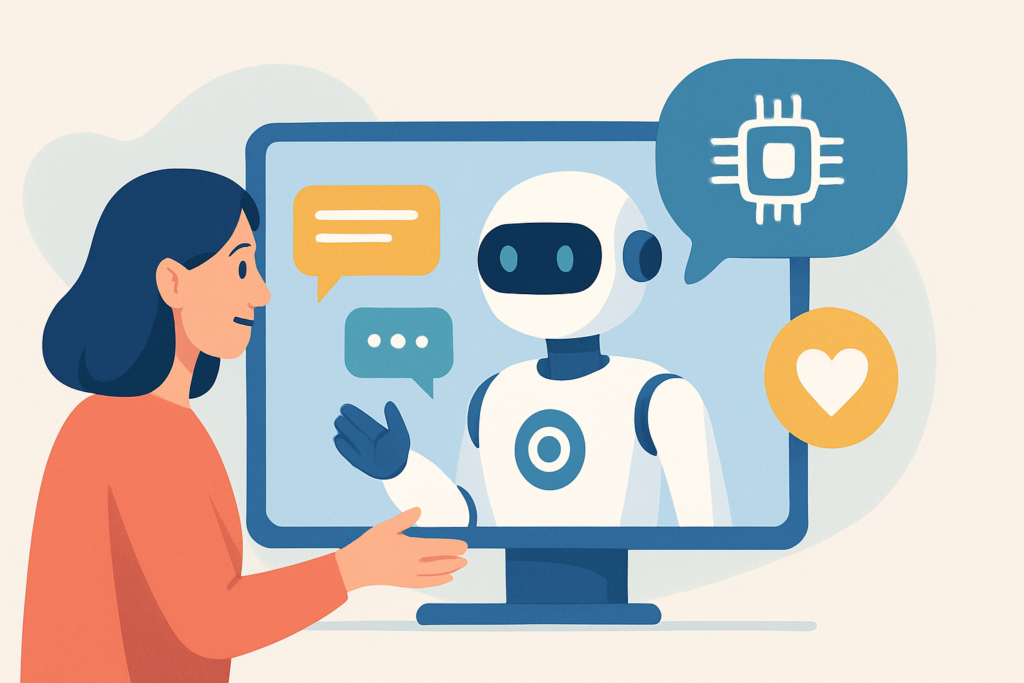
AI tools address this mismatch by adapting instruction to the individual. They can recommend lessons, generate practice questions, and adjust difficulty. Additionally, they can help instructors spot which students may be falling behind.
Importantly, AI is not only about automation. It also improves the quality of learning experiences. For example, AI tutors can explain concepts in different ways, depending on how a learner responds.
Core AI Capabilities for Modern Learning Experiences
To understand the best AI tools for e-learning platforms, it helps to map features to learning needs. Most solutions cluster into several core capabilities. Therefore, you can compare tools more clearly and select what fits your goals.
1) Personalized tutoring and learning paths
Personalization is the most visible use of AI in e-learning. With learner data, AI can detect patterns and recommend next steps. It can also generate hints when a student is stuck.
Depending on the platform, personalization may include adaptive quizzes, spaced repetition schedules, and tailored reading materials. Consequently, learners spend more time on what matters most.
2) Automated assessment and feedback
Assessment is where AI can add significant value. AI tools can help create quizzes, grade objective responses, and draft feedback for open-ended answers. Then, educators review results rather than starting from scratch.
Although automated grading should be used carefully, it can accelerate feedback cycles. Shorter feedback loops often improve learning retention.
3) Content generation and course scaling
Creating high-quality learning content is time-consuming. AI tools can help draft lesson outlines, summarize readings, and produce practice questions. Additionally, they can generate variations in explanations for different difficulty levels.
Yet content generation should be guided by educator oversight. Human review ensures accuracy, tone, and alignment to learning objectives.
4) Learning analytics and intervention triggers
Learning analytics transform raw engagement data into actionable insights. AI can detect drop-off points, identify common misconceptions, and predict risk based on behavior. Then, platforms can trigger interventions automatically.
For example, if a learner repeatedly fails the same concept, the system can recommend targeted practice. Meanwhile, instructors can prioritize support for high-risk students.
AI Tools for E-learning Platforms: What to Look For
Not all AI tools are equal. So, when evaluating options, focus on outcomes, integration, and safety. In addition, consider how each tool supports teachers and improves learning quality.
Essential evaluation criteria
- Pedagogical alignment: Does the tool map to learning objectives and standards?
- Assessment reliability: Can it grade with consistency and provide useful feedback?
- Explainability: Does it show why it recommends certain content or feedback?
- Data privacy: Are learner data handled securely and transparently?
- Integrations: Does it work with your LMS and content formats?
- Human-in-the-loop workflows: Can educators review outputs before delivery?
Integration with your existing stack
Most organizations already use an LMS and content workflow. Therefore, AI tools must connect smoothly. Look for APIs, plugin options, and exportable reports.
Additionally, check whether the tool can ingest your course materials. Many platforms can work better when AI has access to curated content libraries.
How It Works / Steps
- Collect learner signals: Track clicks, quiz attempts, time on task, and content engagement.
- Model learning progress: Use AI to infer mastery levels and identify knowledge gaps.
- Generate or recommend content: Offer next lessons, targeted practice, or alternative explanations.
- Assess performance: Apply AI grading for appropriate question types and provide feedback drafts.
- Review and refine: Educators confirm accuracy and adjust learning paths when needed.
- Measure outcomes: Use analytics to evaluate retention, speed, and assessment improvements.
Examples of AI Tools in Action
AI tools can support both learners and instructors across multiple learning scenarios. Here are practical examples that show how these capabilities combine in real deployments.
Example 1: AI tutoring for concept mastery
A learner struggles with a math concept. The platform detects repeated errors in a specific topic. Then, it generates a step-by-step explanation and offers extra practice problems at the right difficulty.
As the learner improves, the AI adjusts difficulty upward. Meanwhile, the teacher sees aggregated progress and common misconceptions across the cohort.
Example 2: Automated question generation from course content
An instructor uploads a chapter summary or lecture notes. AI drafts quiz questions aligned to key terms and learning goals. It also produces multiple difficulty versions for differentiation.
After that, the instructor reviews questions before learners attempt them. This reduces manual workload while maintaining educational quality.
Example 3: Feedback automation for open-ended responses
In a writing course, students submit short essays. AI can highlight structure issues and suggest improvements aligned to a rubric. Then, it provides a draft feedback message for educator approval.
This approach speeds up feedback without removing human judgment. Consequently, learners receive faster guidance and clearer next steps.
Example 4: Early alerts and targeted interventions
An online program monitors engagement and quiz performance. AI predicts risk using patterns such as low completion rates and repeated failures. Then, it alerts instructors and recommends support resources to the learner.
For instance, the platform might suggest a refresher module or schedule a check-in. Therefore, support becomes proactive rather than reactive.
To broaden your perspective, you can also explore related tooling patterns in AI Tools for Time Management and best AI tools for workflow automation.
Benefits and Trade-offs for E-learning Teams
AI tools offer strong advantages, but teams should manage trade-offs thoughtfully. When implemented well, AI improves scalability and learner experience. However, poor implementation can lead to inaccurate content or biased results.
Main benefits
- Faster content production: Generate drafts, quizzes, and explanations quickly.
- More individualized support: Match lessons to current skill levels.
- Timelier feedback: Reduce delays in grading and guidance.
- Better course analytics: Identify bottlenecks and improve retention.
- Reduced educator workload: Automate routine tasks and summaries.
Common risks to plan for
- Quality control: AI-generated content may contain errors without review.
- Assessment bias: Automated scoring should be validated for fairness.
- Data privacy concerns: Learner data must be protected and handled responsibly.
- Over-reliance: AI feedback should support educators, not replace them.
In addition, teams should establish governance rules for AI usage. For example, define which content types can be generated automatically. Then, require review for anything graded or published publicly.
Implementation Checklist for Your E-learning Platform
Building an AI-enhanced e-learning environment requires more than selecting a tool. You need a practical rollout plan. Therefore, the checklist below can guide teams from pilot to scale.
- Define learning goals: Identify which outcomes matter most, such as mastery or completion.
- Choose high-impact use cases: Start with tutoring, question generation, or analytics.
- Prepare your content: Organize course materials into structured learning units.
- Set evaluation benchmarks: Compare AI-assisted results against baseline performance.
- Establish human review: Decide what educators must approve before release.
- Run a pilot: Test with a small learner group and iterate based on feedback.
- Monitor model behavior: Track accuracy, fairness, and learner satisfaction.
FAQs
Are AI tools suitable for all types of e-learning courses?
Many AI tools work across subjects, but fit varies. Courses with clear rubrics, structured content, and measurable objectives benefit most. For creative or highly subjective assessments, AI should support educators rather than score alone.
Can AI grading replace teachers?
In most cases, AI should not fully replace teachers. Instead, it can accelerate feedback and standardize evaluation for simpler tasks. Educators should review higher-stakes scoring and provide final judgments.
What about learner privacy and data security?
Privacy matters because AI may process sensitive learner data. Choose tools with strong security controls and transparent data policies. Then, limit data access and implement retention rules.
How do we validate that AI personalization is accurate?
Validation requires benchmarks and testing. Compare recommended learning paths against instructor-defined models. Also, monitor whether personalization improves outcomes like mastery and completion.
Key Takeaways
- AI tools personalize learning by adapting content to learner behavior.
- Automated assessment speeds feedback, but requires quality checks.
- Learning analytics help instructors intervene earlier and smarter.
- Successful implementations rely on educator oversight and governance.
Conclusion
AI tools for e-learning platforms are moving beyond novelty. They now support practical needs like tutoring, assessment, and analytics. Moreover, they help educators scale high-quality instruction without burning out teams.
However, the strongest results come from thoughtful implementation. Start with clear learning goals, validate performance, and keep humans in the workflow. With that approach, AI becomes a learning partner rather than a risky shortcut.
If you want to stay current on broader AI progress, review AI News: Key Innovations This Month. Those updates often signal which capabilities will mature next for education and training.