Best AI Tools for Audio Transcription: Top Picks for 2026
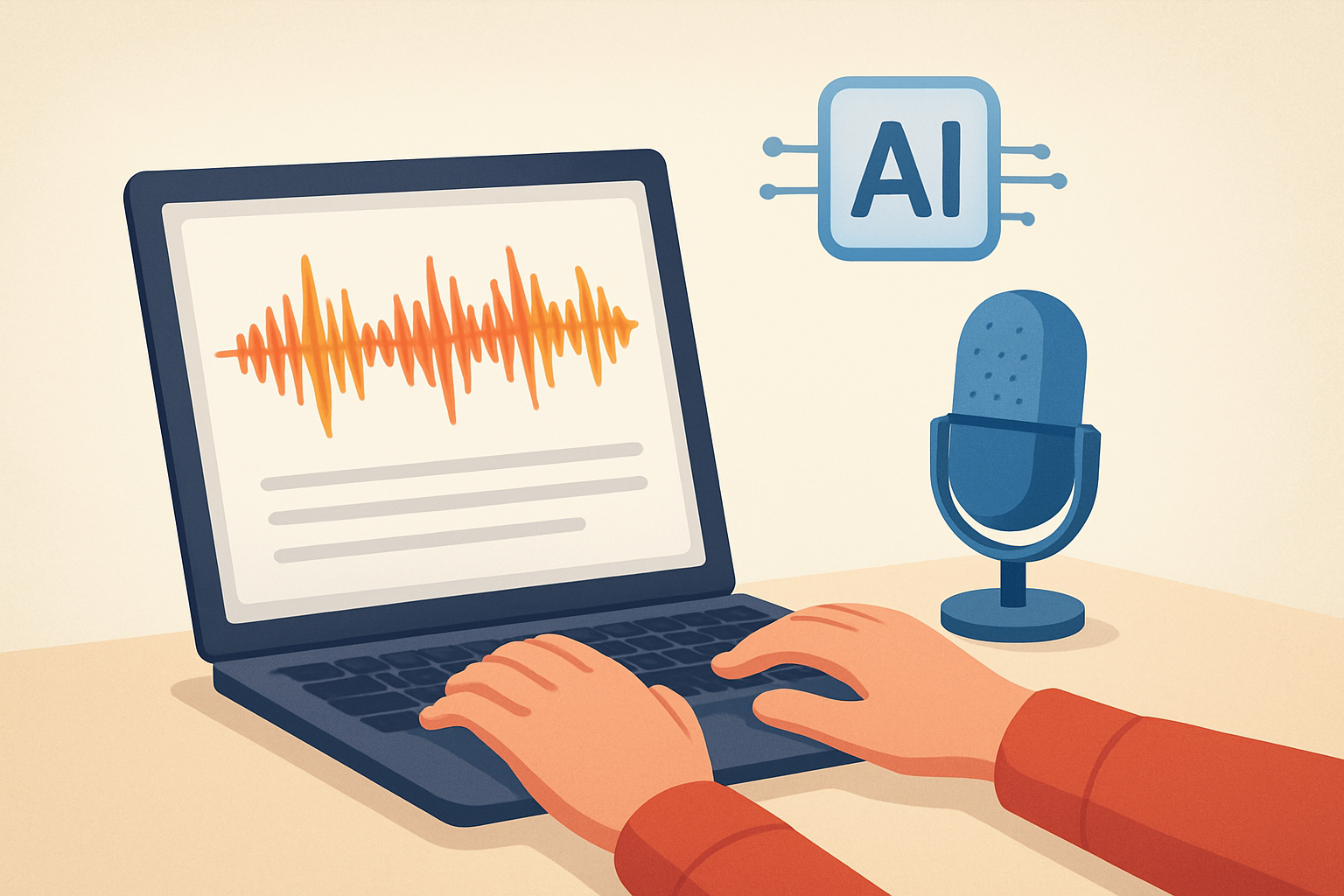
AI transcription tools can turn speech into searchable text in minutes. The best options combine high accuracy, strong speaker labeling, and easy export for your workflow.
Quick Overview
- For best overall accuracy: premium cloud transcription platforms.
- For privacy-first teams: on-device or self-hosted solutions.
- For creators and podcasts: tools with timestamps and editing-friendly outputs.
- For multilingual needs: platforms with robust language detection.
Why Audio Transcription Became an AI Must-Have
Audio transcription is no longer limited to journalists and legal teams. Today, businesses, educators, and creators use transcripts to organize knowledge and improve communication. AI transcription tools now deliver fast results that would have taken teams hours or days.
However, “AI transcription” is not one single capability. Quality depends on audio clarity, background noise, speaker variety, and language complexity. Therefore, the right tool depends on your use case and your tolerance for post-editing.
In this guide, you’ll find practical picks for audio transcription. You’ll also learn how to choose based on accuracy, formatting, integrations, and data controls. Along the way, we’ll connect transcription with broader AI workflows and content strategies.
What “Best” Means for Audio Transcription Tools
When people search for the best AI tools for audio transcription, they usually mean accuracy first. Still, quality is multi-dimensional. A great tool doesn’t just “recognize words.” It also preserves meaning, structure, and timing.
Here are the criteria that matter most:
- Word accuracy and language support: Works across accents and multiple languages.
- Speaker diarization: Distinguishes speakers in meetings and interviews.
- Timing and timestamps: Helps with editing, indexing, and captions.
- Export formats: Delivers clean text for Word, Google Docs, SRT, and VTT.
- Noise handling: Performs better with hum, echoes, or imperfect mic levels.
- Workflow features: Bulk uploads, integrations, and review tools.
- Privacy and compliance: Controls around retention, encryption, and data use.
Top AI Tools for Audio Transcription (2026 Recommendations)
Below are strong candidates across different needs. Some focus on maximum accuracy. Others prioritize privacy, cost, or creator-friendly formatting.
1) Whisper-based transcription tools (best for flexible, modern workflows)
Whisper-style models have become popular for transcription due to strong accuracy and easy performance. Many products wrap these models into user-friendly interfaces. Therefore, you can start quickly without deep technical knowledge.
These tools often perform well on clear recordings and moderately noisy audio. They are also attractive for developers who want customization. If you need a reliable baseline with good multilingual support, this category is hard to ignore.
- Strengths: Multilingual transcription, timestamps, strong baseline accuracy.
- Look for: Speaker diarization and export options for your target format.
- Best for: Podcasts, notes, general meeting capture, and content drafts.
2) Premium cloud transcription platforms (best for enterprise-grade reliability)
Cloud-first transcription services often provide the most consistent results at scale. They tend to improve performance with better audio pipelines and review features. Additionally, they typically support enterprise workflows such as role-based access.
If you handle customer calls, compliance documentation, or large-volume recordings, reliability matters. These platforms usually offer robust formatting and support for many languages. Still, pricing can be higher than self-hosted alternatives.
- Strengths: Consistency, high accuracy, scalable infrastructure.
- Look for: Data retention controls and auditability.
- Best for: Teams, contact centers, legal operations, and regulated environments.
3) Creator-focused transcription and captioning tools (best for video and podcasts)
For creators, transcription is rarely the final step. You often need captions, highlights, and timestamps for editing. Creator-focused tools make this process smoother through templates and export workflows.
When you publish content, you also want consistent formatting. That includes line breaks, proper punctuation, and time-aligned captions. Consequently, these tools can save editing time in video pipelines.
- Strengths: Caption exports, easy editing, time-synced output.
- Look for: SRT/VTT quality and customization of captions style.
- Best for: Podcast episodes, YouTube videos, and course lectures.
4) Self-hosted and privacy-first solutions (best for sensitive audio)
Some organizations cannot upload recordings to third-party servers. In those cases, self-hosted transcription can be a better fit. These solutions run on your infrastructure and reduce exposure to data transfer.
However, self-hosted tools require more setup. You’ll also manage updates and scaling. Even so, for healthcare, finance, or internal investigations, privacy-first workflows can be worth it.
- Strengths: Greater control of retention and processing.
- Look for: Reliable diarization and stable model performance.
- Best for: Confidential meetings, internal audits, and regulated data.
5) Meeting and collaboration transcription (best for productivity teams)
Meeting transcription tools integrate with calendars and conferencing platforms. They may capture audio automatically. Then they produce transcripts for search, summaries, and follow-up tasks.
These tools are especially useful for teams that meet frequently. Instead of manually uploading files, you get transcripts as part of the collaboration flow. Additionally, some include action item extraction and searchable knowledge bases.
- Strengths: Integration, fast turnaround, searchable outputs.
- Look for: Speaker labels and clean export for docs.
- Best for: Sales calls, project syncs, and remote work teams.
How to Choose the Right Transcription Tool for Your Audio
Choosing the right tool becomes easier when you map your requirements to features. Start by identifying your audio type and your output needs. Then compare pricing models that match your volume.
Step 1: Assess your audio quality and recording context
Transcription works best when audio is clear. Therefore, check microphone quality and speaking distance. If recordings contain multiple overlapping speakers, prioritize diarization features.
- Single speaker narration: prioritize language accuracy and punctuation.
- Meetings: prioritize speaker diarization and timestamp stability.
- Calls and support audio: prioritize noise handling and consistency.
Step 2: Decide which output formats you need
Different workflows demand different outputs. If you need captions, export in SRT or VTT. If you need documents, export plain text or Word-ready formatting.
- Captions: SRT/VTT, line breaks, and time alignment.
- Docs: clean text with paragraphs and punctuation.
- Search: transcripts that preserve speaker names and timestamps.
Step 3: Validate privacy, retention, and security controls
Data handling is critical for transcription. Some tools store audio or transcripts for training. Others offer opt-outs and enterprise retention controls.
Therefore, check your contract terms and technical settings. If you handle sensitive content, choose tools with clear data policies.
Step 4: Test with your own recordings
The best way to evaluate accuracy is to run your audio through candidate tools. Use one sample from your typical workflow. Then compare word accuracy, speaker labeling, and punctuation.
After that, measure how much manual editing you need. A tool that requires fewer corrections is often cheaper overall. In many cases, time saved is the biggest cost advantage.
How It Works / Steps
- Upload or capture audio using a web app, desktop tool, or integration.
- Transcription model processes the audio and converts speech to text.
- Language detection and normalization align output with the target language.
- Optional speaker diarization labels who is speaking.
- Generate timestamps and formatting for captions or document readability.
- Review and edit the transcript when needed using highlighted confidence.
- Export to your workflow via SRT, VTT, DOCX, TXT, or integrations.
Examples: Real Ways People Use Transcription
Audio transcription is useful across many industries. Below are practical scenarios that show how tools fit into real workflows.
Podcasts and long-form interviews
Creators often need episode transcripts for SEO and accessibility. Transcripts also enable easy episode summaries. Additionally, timestamps help you locate key moments for promotion clips.
Team meetings and project documentation
Businesses can turn meeting audio into searchable knowledge. This reduces repeat explanations across teams. Later, transcripts support action items and follow-up documentation.
Customer support and call analysis
Support teams can transcribe calls to identify common issues. Then they can improve scripts and training materials. As a result, teams find patterns faster than manual review.
Academic lectures and training sessions
Educators can convert lectures into study-friendly notes. Transcripts also help students who need accessibility options. Meanwhile, time codes allow targeted review of topics.
If you want to expand your AI workflow beyond transcription, explore best AI tools for image editing for visual assets. For organization-level improvements, consider AI trends in digital transformation.
FAQs
Which AI transcription tool has the highest accuracy?
Accuracy varies by audio quality. In general, premium cloud platforms often perform best on noisy or complex audio. Whisper-based tools also provide strong results, especially on clean recordings.
Do AI transcription tools support speaker labels?
Many tools offer speaker diarization. However, performance depends on how distinct voices are. For best results, use good microphones and avoid overlapping speech.
Can I get timestamps in my transcript?
Yes, most modern transcription tools can add timestamps. Caption-focused tools usually provide SRT or VTT. Document-focused tools may provide paragraph-level or segment-level timing.
Is AI transcription good for multiple languages?
Many AI tools support multilingual transcription and language detection. Still, accuracy can differ by language and accent. Testing with your samples is the best way to confirm results.
Is transcription output searchable?
Typically, yes. Transcripts become text you can search inside your notes, docs, or knowledge base. Some meeting platforms also index transcripts for fast retrieval.
Key Takeaways
- The “best” transcription tool depends on your audio and output format.
- Speaker diarization and timestamps are critical for meetings and editing.
- Privacy and retention policies matter for sensitive recordings.
- Always test with your own audio before committing to a tool.
Conclusion
AI transcription has matured into a practical productivity tool for creators and teams. Yet, the top choice is not universal. You’ll get the best results by matching features to your workflow and audio conditions.
Start with a short test using real recordings. Compare accuracy, punctuation, and speaker labels. Then choose the tool that minimizes editing time and protects your data.
With the right setup, transcription becomes more than text. It becomes a searchable knowledge layer that powers content, collaboration, and faster decision-making.